Top 10 Benefits of the Sand Molding Process in Manufacturing?
The sand molding process plays a pivotal role in modern manufacturing. According to the American Foundry Society, this method represents over 50% of metal casting production in the United States. Manufacturers benefit from its cost-effectiveness and flexibility. This process uses sand as the primary molding material. Its availability makes it a popular choice among industries.
Sand molding also contributes to high precision and intricate designs. According to a report by ResearchAndMarkets, the global sand casting market is projected to reach $20 billion by 2025. This growth indicates the increasing reliance on the sand molding process for various applications. However, not all sand molding practices guarantee perfect results. Challenges in sand quality and moisture levels can lead to defects, affecting production quality.
Despite these concerns, the benefits of the sand molding process are substantial. From shorter lead times to enhanced thermal properties, its advantages are compelling. Yet, a closer examination reveals the need for continuous improvement and innovation in sand molding techniques. Balancing efficiency with quality remains a theme for many manufacturers. As industries evolve, so too must their approaches to the sand molding process.
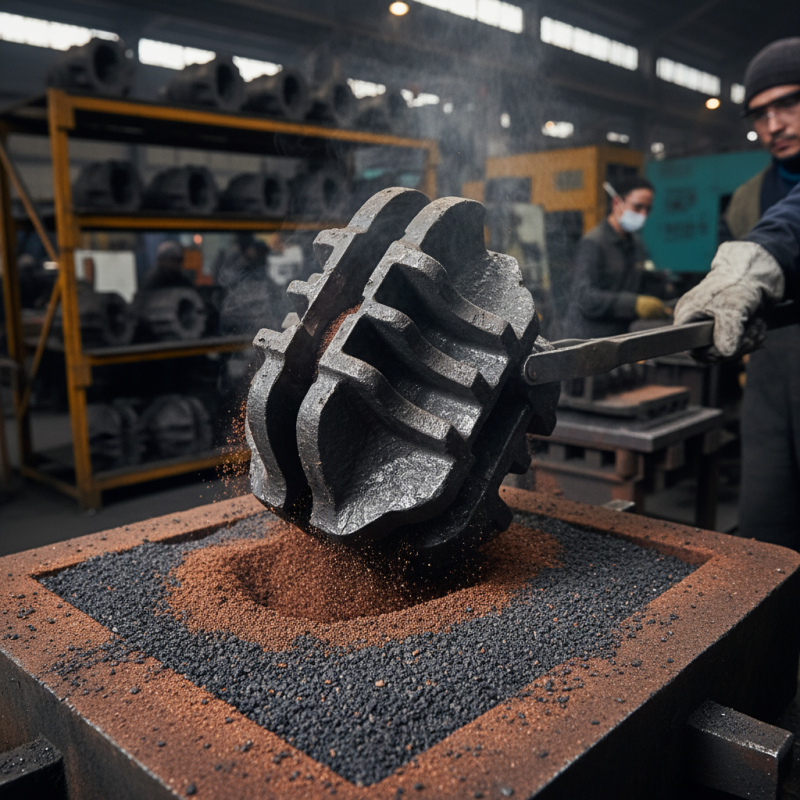
Overview of the Sand Molding Process in Manufacturing
The sand molding process is a crucial technique in modern manufacturing. It involves creating molds from sand mixtures to form metal castings. This method is popular due to its versatility and cost-effectiveness. According to industry reports, sand casting accounts for around 75% of all metal casting production. Its adaptability allows for various shapes and sizes, making it essential for different industries.
One significant advantage of sand molding is its ability to produce complex geometries. This feature leads to minimizing the need for machining, reducing time and costs. However, the process can sometimes lead to surface imperfections. These flaws may require extra finishing processes, affecting efficiency. Additionally, the quality of the sand impacts the final product. Poor-quality sand can introduce inconsistencies, making quality control a vital aspect.
The sand molding process also supports sustainability in manufacturing. Over 95% of the sand used is recyclable. Yet, companies often face challenges in managing waste efficiently. Despite advancements, many manufacturers still struggle with new technologies for sand reuse. This highlights the need for continuous improvement in the industry, as challenges remain even in a well-established process like sand molding.
Top 10 Benefits of the Sand Molding Process in Manufacturing
Key Advantages of Sand Molding in Production Efficiency
Sand molding is a widely used process in manufacturing. It offers numerous advantages that enhance production efficiency. One key benefit is the quick turnaround time. A report by SME indicates that sand molds can be produced in just a few hours, significantly reducing lead times.
Another significant advantage is the cost-effectiveness of sand molding. According to industry data from the Foundry Association, the process can be up to 30% cheaper than alternative methods. This is particularly relevant for large production runs, where materials and labor costs add up. However, it’s important to note that the surface finish often requires additional refining, which can offset some of the initial savings.
Flexibility is another critical factor. Sand molds can accommodate complex designs, making them suitable for various applications. Nonetheless, this complexity can lead to challenges in ensuring uniform quality. Manufacturers must constantly evaluate their processes and techniques to maintain high standards. With the right adjustments, sand molding can remain a leading choice in manufacturing, driving both efficiency and innovation.
Cost-Effectiveness of Sand Molding Compared to Other Methods
The sand molding process offers significant cost advantages in manufacturing. Compared to other methods, it's often more economical. The materials are readily available and cheap. Sand is abundant, making it a go-to choice for many manufacturers. Tools and equipment required are simpler, leading to lower overhead costs.
When using sand molding, labor costs can also be reduced. The process is straightforward, which means less training for workers. Issues can arise, though. Sometimes, the sand quality may vary. This may require additional testing and adjustments, which can slightly increase costs.
Tip: Always verify the sand quality before commencing production. It can save time and money later. Another benefit to note is the flexibility of sand molds. They can be molded into complex shapes at low costs. However, the durability might not match that of other methods like metal casting. Evaluate your specific needs before deciding.
Flexibility and Versatility in Sand Molding Applications
The sand molding process is known for its flexibility and versatility. This technique adapts easily to various manufacturing needs. Sand molds can be shaped in countless ways, enabling the production of complex components. Creating intricate designs is not a problem, as the sand can take on detailed patterns. This adaptability makes it a popular choice across industries.
However, challenges exist. The quality of the mold can vary based on the grain size of the sand. Coarser sand may lead to rough finishes. Balancing detail and durability is essential. Additionally, while sand molding allows for repeated use, it can lead to inconsistencies over time. Regular evaluation of the process is necessary to maintain quality.
Molds made from sand are also less expensive than many alternatives. This cost-effectiveness doesn’t compromise performance if managed correctly. It’s a fine line between saving money and ensuring quality. Manufacturers must assess their needs closely, ensuring they do not sacrifice precision for cost. With proper oversight, the sand molding process proves to be both flexible and efficient.
Environmental Benefits of Utilizing Sand Molding Techniques
The sand molding process offers significant environmental benefits in manufacturing. Utilizing sand for molds reduces the reliance on synthetic materials. This can lower the carbon footprint associated with production. A report from the American Foundry Society indicates that over 90% of foundries use sand molds. This widespread practice reflects the industry's commitment to sustainability.
Sand is abundant and easily sourced. It can be recycled multiple times, reducing waste. According to research by the National Institute of Standards and Technology, around 95% of sand used in molding can be reclaimed and reused. This decreases the environmental impact tied to raw material extraction.
Despite these advantages, challenges remain. Some operational processes can lead to sand wastage. Cleaning and preparing used sand can require energy and resources. An emphasis on eco-friendly technologies can help mitigate this. Attention to waste reduction practices is essential for improving sustainability in sand molding.