Best Wood Dyes for Stunning Furniture Finishes?
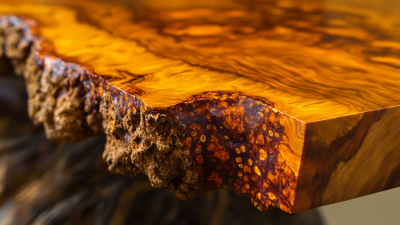
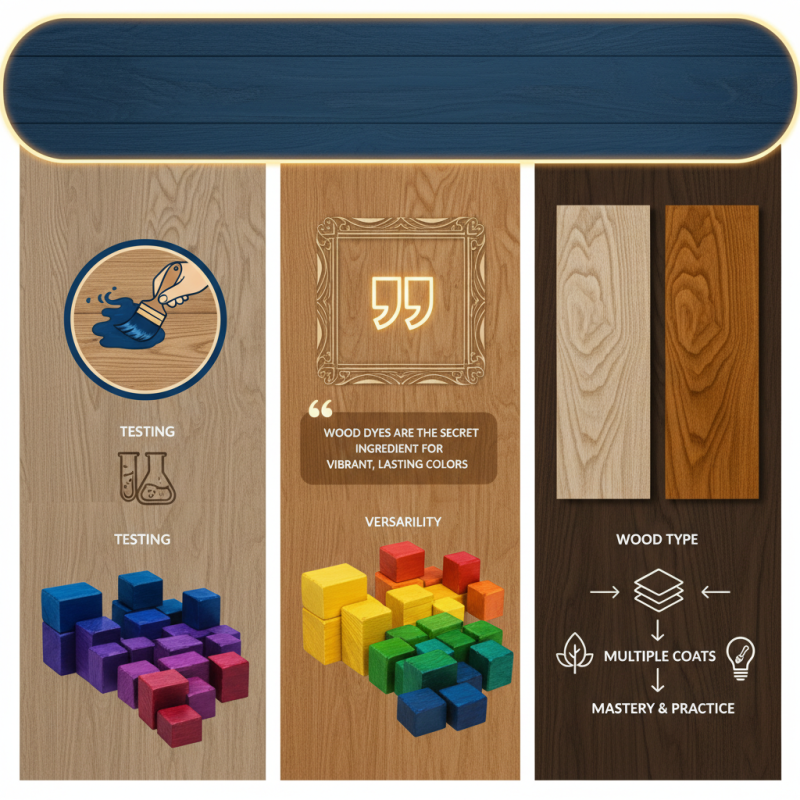
When it comes to achieving stunning furniture finishes, the right wood dyes can make all the difference. Expert woodworking artisan, John Smith, once stated, “Wood dyes are the secret ingredient for vibrant, lasting colors.” This highlights the importance of selecting the right products. Many enthusiasts struggle with the vast array of options available today.
Wood dyes offer versatility in color and application. They can enhance the natural grain and character of the wood. However, choosing the wrong dye can lead to uneven results or unwanted tones. It’s crucial to test several products before committing to a final application.
Consider the wood type you’re working with; different woods absorb dyes differently. Some may require multiple coats to achieve the desired depth. Reflecting on this, it's clear that mastering wood dyes requires practice and an understanding of materials. With patience and experimentation, one can achieve beautiful finishes that elevate any piece.
Understanding Wood Dyes: Types and Characteristics for Furniture Finishes
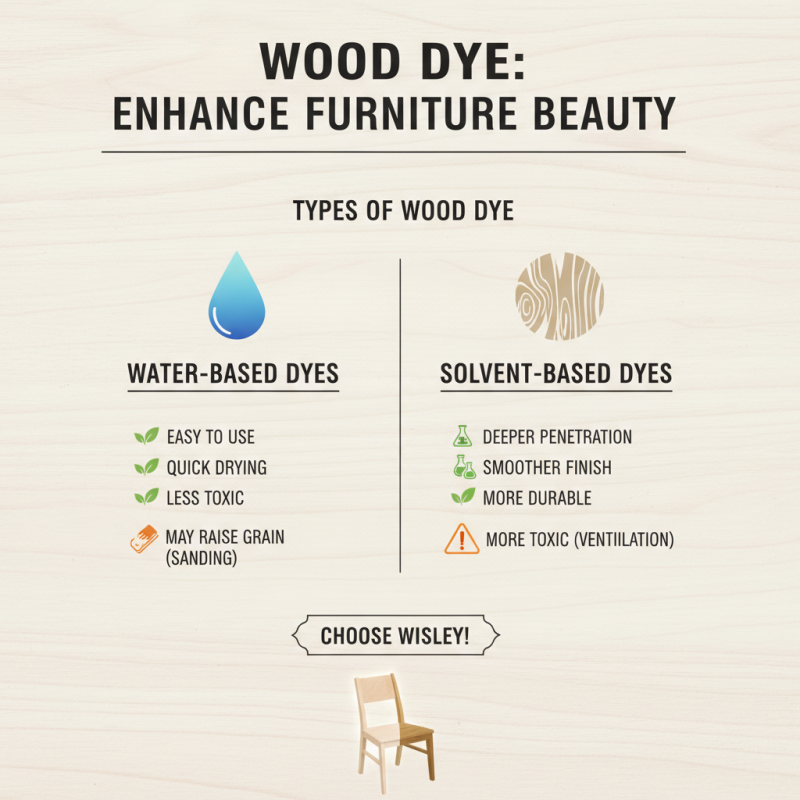
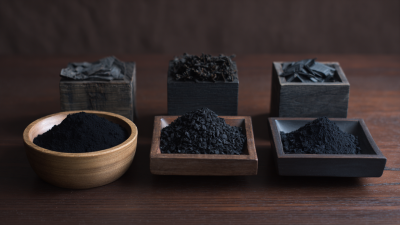
Choosing the right wood dye can enhance the beauty of your furniture. Wood dyes come in various types. Each type has distinct characteristics that affect the final finish. Water-based dyes are easy to use. They dry quickly and are less toxic than solvent-based options. However, they may raise the wood grain, requiring extra sanding.
Alcohol-based dyes penetrate deeply into the wood. They provide vibrant colors but can have a strong odor. Consider testing a small piece of wood first. This helps you gauge the color and finish. Oil-based dyes offer rich pigments and are great for larger projects. However, their longer drying time could be a downside for some.
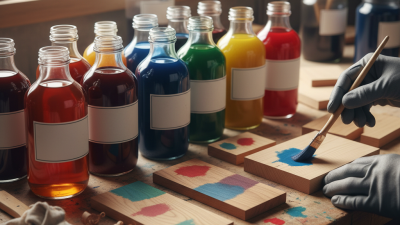
Tips: Always wear gloves and a mask when working with wood dyes. Protect your workspace with drop cloths. Experimenting with different application methods can yield exciting results. Don't forget to assess the compatibility of your finish with the dye. Some finishes can alter color perception, leading to unexpected outcomes. Careful consideration is key to achieving stunning results.
The Science Behind Wood Dye Absorption: A Guide for Optimal Application
When applying wood dyes, understanding how wood absorbs color is crucial. Each wood type has unique characteristics. Some woods, like pine, absorb dye quickly, while others, like cherry, take longer. This difference can affect your finishing results. Testing on scrap pieces can help predict the final color outcome.
The method of application also impacts absorption. Brushing, wiping, or even spraying produces different effects. Rushing through this process often leads to uneven coloring. Pay attention to humidity levels, as they can alter how dyes behave. Remember that stains may appear darker when wet, but dry lighter.
Patience plays a big role. Allow time for the dye to set before applying a finish. This will enhance the depth of color. Mistakes can happen, such as oversaturation or blotchiness. Being aware of these potential issues encourages careful planning. Experimenting is essential, yet be prepared for imperfections along the way.
Top Wood Dye Brands: Industry Favorites and Their Key Features
When it comes to wood dyes, several brands stand out for their remarkable quality. These brands focus on creating vibrant colors that enhance the natural beauty of wood. Some offer an expansive range of shades, allowing for unique finishes. Others emphasize ease of use, making them perfect for DIY enthusiasts.
One key feature to consider is the dye's ability to penetrate the wood. A deeper penetration usually results in richer colors. Some dyes may dry quickly, which is beneficial but can be challenging for beginners. Whether you need a quick project or a reflective one, this factor matters. Additionally, some products are water-based, making cleanup simpler but potentially less vibrant.
Color consistency is another vital aspect. Different batches can produce varying results, an issue to be mindful of. Test on scrap wood if possible. Not all dyes offer the same level of UV protection. This is crucial for outdoor furniture that will face sunlight. Choosing the right dye can transform your furniture, but it requires reflection on what effect you want to achieve.
Best Wood Dyes for Stunning Furniture Finishes
| Color Range |
Application Method |
Drying Time |
Key Features |
Water/Alcohol-Based |
| Wide spectrum of colors |
Brush or spray |
30 minutes |
Non-toxic, high pigmentation |
Water-based |
| Deep, rich tones |
Wipe on |
1 hour |
Lightfast, UV resistant |
Alcohol-based |
| Natural wood tones |
Spray or immerse |
15-30 minutes |
Eco-friendly, easy cleanup |
Water-based |
| Bright vibrant colors |
Brush or sponge |
30-60 minutes |
Highly durable, fade resistant |
Alcohol-based |
Color Theory in Wood Finishes: Choosing the Right Dye for Every Project
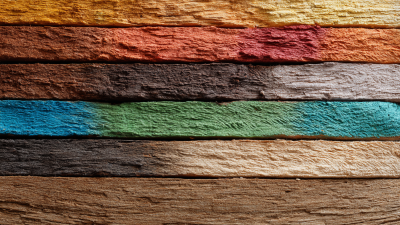
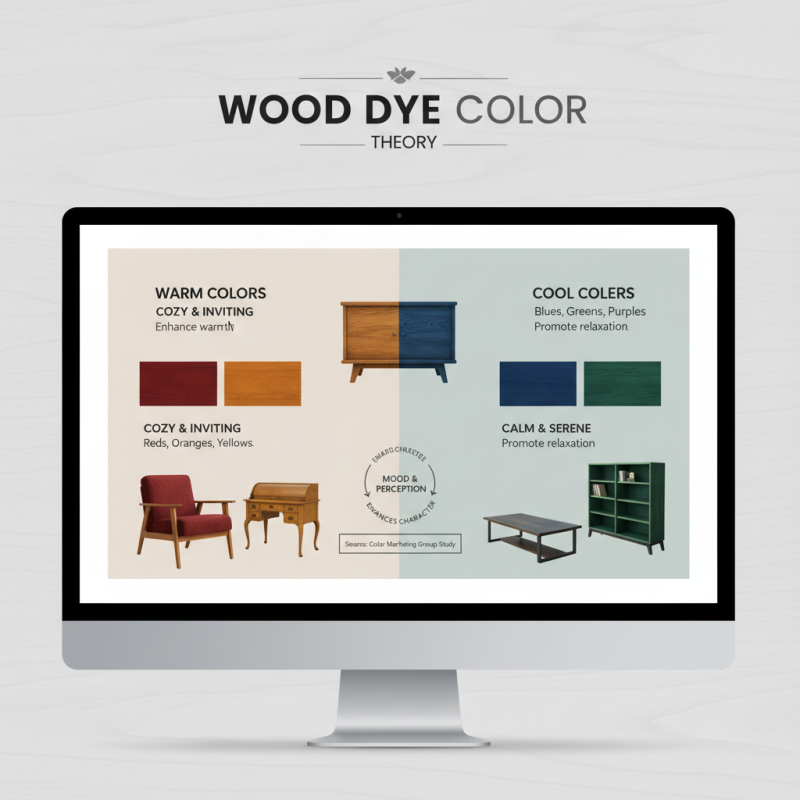
Choosing the right dye for wood can transform a plain piece of furniture into a stunning focal point. Color theory plays a crucial role here. Warm colors like reds and oranges can make a space feel cozy. In contrast, cool colors such as blues and greens can create a calming atmosphere. According to a study by the Color Marketing Group, colors can impact mood and perception. A well-chosen dye can enhance the piece’s character.
When selecting a dye, consider the wood type. Softwoods absorb stains differently than hardwoods. This can result in uneven coloration. Visualize the final product and test on a scrap piece. The difference between a rich, deep hue and a lackluster finish can be subtle yet significant. It’s important to be cautious with color mixing, too. Overly complex blends can lead to muddy results.
Additionally, familiarity with the dye's properties is essential. Some dyes can fade when exposed to sunlight. This poses a challenge for outdoor furniture. Others may not bond well with specific finishes. A lack of adhesion can cause peeling or chipping over time. Reflect on these aspects before starting your project. Consider the longevity and beauty of your work.
Sustainability in Wood Dyes: Evaluating Eco-Friendly Options for Furniture
Sustainability is a vital consideration in the choice of wood dyes. Many conventional wood dyes contain harmful chemicals. These can leach into the environment, posing risks to wildlife and humans. Eco-friendly options are gaining traction. Studies show that 70% of consumers prefer products that are environmentally responsible. Many natural dyes, derived from plant sources, offer good alternatives.
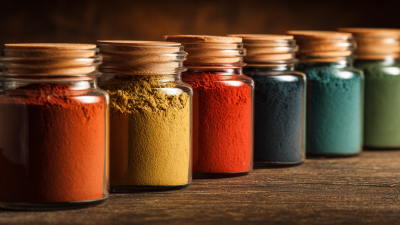
For instance, dyes from turmeric or indigo are not only vibrant but also biodegradable. These dyes have a lower environmental impact and provide stunning finishes. However, using natural dyes can sometimes result in variability in color. This inconsistency may challenge artisans aiming for uniformity. Yet, the beauty of unique, hand-crafted pieces often outweighs this drawback.
The industry is slowly shifting. A report from the Green Building Council highlights a 40% increase in demand for sustainable products. This uptick reflects a growing awareness among consumers and manufacturers. Nevertheless, awareness must translate into action. Many still opt for cheaper, synthetic dyes without considering their long-term effects. The push for eco-friendly options is there, but continuous education and innovation are essential. Recognizing these challenges is the first step toward a more sustainable future in furniture finishes.
Best Wood Dyes for Stunning Furniture Finishes