What is Blue Powder and its Common Uses?
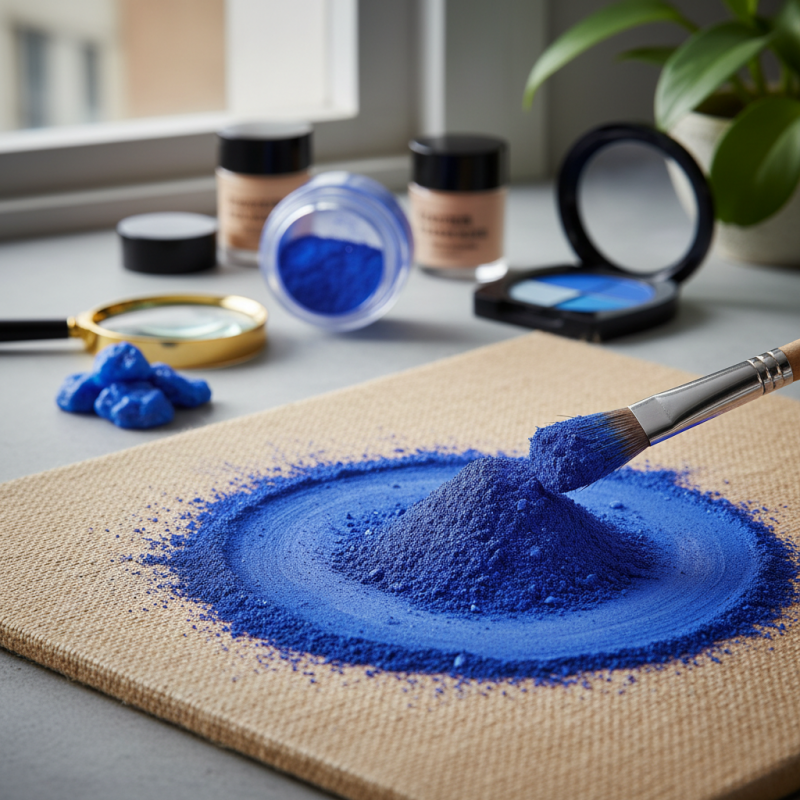
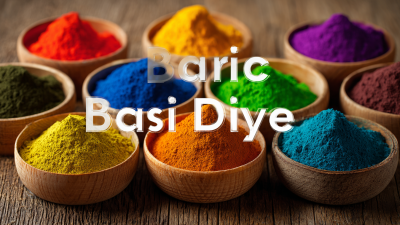
Blue powder is a vibrant and intriguing substance, found in various industries. Its striking color often captures attention. This powder is primarily composed of certain minerals or chemical compounds. Many people may not know how common blue powder actually is.
In art, this pigment serves crucial roles. Artists use it to create mesmerizing masterpieces. Additionally, the cosmetic industry embraces blue powder in products. The allure of its hue can enhance beauty items. However, safety and environmental considerations often arise when using such materials.
Rarely does one stop to ponder the sourcing of blue powder. Sustainable practices are essential to minimize impact. As we explore blue powder's various applications, a balance between utility and responsibility must be maintained. Understanding its significance requires thoughtful reflection on our choices.
What is Blue Powder?
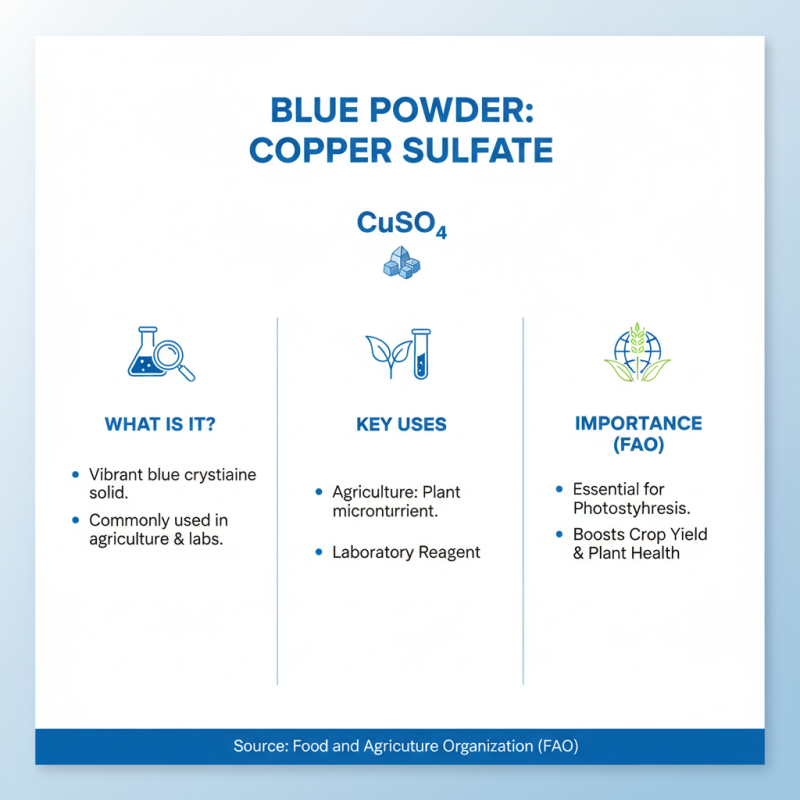
Blue powder refers to various substances that exhibit a vibrant blue color. One common example is copper sulfate, often used in agriculture and as a laboratory reagent. This compound is crucial for plant health, especially in micronutrient management. According to the Food and Agriculture Organization (FAO), copper is vital for photosynthesis in plants, thus enhancing crop yield.
In the art world, blue powder, such as ultramarine, plays a role in pigment production. This deep blue pigment originated from lapis lazuli and has been valued since antiquity. The National Gallery of Art has noted that ultramarine was more expensive than gold. Today, synthetic alternatives are available, making it more accessible.
However, the production and disposal of blue powders raise environmental concerns. Many synthetic blue pigments may contain harmful substances. Reports show that excessive use can lead to soil and water contamination. It is vital to weigh the benefits of these substances against potential risks. Ensuring safe handling and disposal is essential for environmental sustainability.
The Chemical Composition of Blue Powder
Blue powder refers to a range of chemical compounds with a distinct blue appearance. The specific chemical makeup can vary. Commonly, it contains copper salts, such as Copper(II) sulfate, and various pigments. These compounds often exhibit fascinating physical properties.
The primary component of many blue powders is copper (Cu). For instance, Copper(II) sulfate has a molecular formula of CuSO4. This compound is soluble in water, resulting in a clear blue solution. Reports indicate that over 600,000 tons of Copper(II) sulfate are produced annually worldwide. It serves multiple purposes, including agricultural uses as a fungicide.
Another significant blue powder is cobalt blue, made from cobalt(II) aluminate. It contains cobalt oxide and aluminum oxide. This pigment is non-toxic and stable, making it ideal for artistic applications. The art industry values cobalt blue for its vibrant color. However, sourcing cobalt raises sustainability concerns. The extraction process can lead to environmental degradation. Despite the aesthetic appeal, the ecological footprint requires reflection.
What is Blue Powder and its Common Uses? - The Chemical Composition of Blue Powder
| Component |
Chemical Formula |
Common Uses |
Safety Information |
| Copper(II) sulfate |
CuSO₄ |
Agriculture, chemistry demonstrations, and electroplating |
Harmful if swallowed, irritant to skin and eyes |
| Prussian Blue |
Fe₃[Fe(CN)₆]₂ |
Pigments, pharmaceuticals, and radiation exposure treatment |
Generally safe, but may cause skin irritation |
| Methylene Blue |
C₁₆H₁₈ClN₃S |
Staining in biological studies, treating methemoglobinemia |
May cause allergic reactions in sensitive individuals |
| Cobalt(II) aluminate |
CoAl₂O₄ |
Ceramics, glass, and pigments |
Can be harmful if inhaled or ingested |
Common Uses of Blue Powder in Industry
Blue powder, often recognized for its vivid color, has various applications across multiple industries. One of its most common uses is in the manufacturing of pigments and dyes. This vibrant hue provides a striking visual appeal, especially in paints and coatings. Its stability and resistance to fading make it a preferred choice in these sectors.
In the world of ceramics, blue powder serves as an essential component. It enhances the aesthetic value of porcelain and stoneware. The color additives can create stunning decorative pieces that catch the eye. Moreover, the compound is utilized in glass production, ensuring beautiful coloration in glassware and tiles.
Tips: When working with blue powder, always wear protective gear. Avoid inhalation and skin contact to ensure safety. Store the powder in a cool, dry place, away from direct sunlight. Keep it labeled properly to prevent mix-ups with other materials. While its properties are well-known, understanding how to work with it safely is equally important. Experiment with small quantities first to gauge compatibility with other substances.
Health and Safety Considerations
Blue powder, often referred to as a versatile substance, is used in various applications. Despite its benefits, health and safety are crucial considerations. Exposure to this powder can occur through inhalation, ingestion, or skin contact. It's vital to use appropriate personal protective equipment (PPE) when handling it.
Tips: Always wear masks and gloves. They provide an extra layer of protection. Ensure the workspace is well-ventilated to minimize inhalation risks. Regularly clean surfaces to avoid residue accumulation.
Individuals should be aware of potential allergic reactions. Some people may experience skin irritation or respiratory issues. It’s essential to monitor your body’s reactions carefully. Do not ignore subtle signs, like a persistent cough or rash. Consult a health professional if any symptoms arise.
Ultimately, understanding blue powder's uses and dangers fosters safer handling. Always prioritize safety measures in any situation. Awareness is key to preventing accidents. Stay informed and protective for your well-being.
Environmental Impact of Blue Powder Usage
Blue powder, a vibrant pigment, finds use in various industries. However, its environmental impact raises concerns. Often derived from natural minerals, the production process can release harmful substances. This can lead to soil and water pollution. Once in the ecosystem, blue powder can disrupt local flora and fauna.
In art and construction, it enhances visuals but may not be eco-friendly. Disposal of leftover materials poses a challenge. If not handled properly, it can leach into waterways, harming aquatic life. Many industries overlook these risks while focusing on aesthetic benefits. This creates a gap in awareness about sustainability.
As usage increases, the need for greener alternatives becomes critical. Manufacturers are urged to adopt safer practices. More research is necessary to understand long-term effects. Reflecting on our choices can lead to better solutions that protect the environment. It is essential to weigh the beauty of blue powder against its potential harm.