2025 How to Choose the Right Reactive Dyes for Your Fabric Dyeing Needs
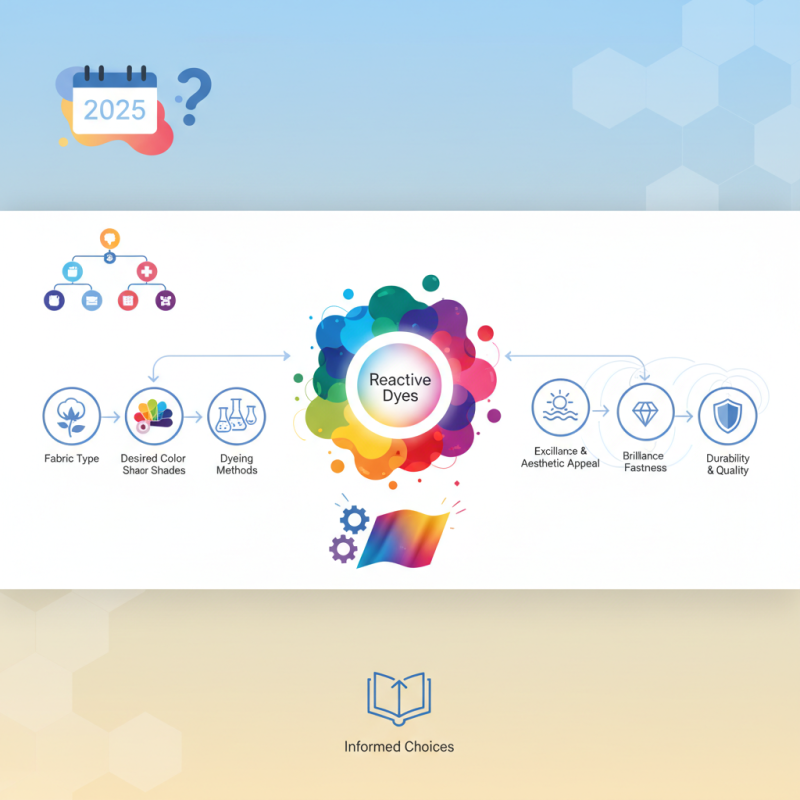
Choosing the right reactive dyes for your fabric dyeing needs is a crucial step in achieving vibrant and long-lasting colors. Reactive dyes are a popular choice among textile manufacturers and crafters due to their strong chemical bonds with the fibers, resulting in excellent color fastness and brilliance. These dyes not only enhance the aesthetic appeal of fabrics but also contribute to the overall quality and durability of the dyed materials.
With a wide variety of reactive dyes available in the market, selecting the appropriate type can be a daunting task. Factors such as the type of fabric, desired color shades, and dyeing methods play significant roles in this decision-making process. Understanding the specific characteristics of different reactive dyes will help dyers make informed choices that align with their project goals. Thus, this guide will explore key considerations and factors to keep in mind when choosing reactive dyes, ensuring that you achieve the best results for your fabric dyeing endeavors.
Choosing Reactive Dyes: Understanding Their Chemical Properties
When selecting reactive dyes for fabric dyeing, understanding their chemical properties is crucial. Reactive dyes work by forming a covalent bond with the fiber, resulting in vibrant and long-lasting colors. They typically contain reactive functional groups, such as sulfonyl or chlorotriazine groups, which are essential for their ability to form strong bonds with the hydroxyl or amino groups of the fiber. This chemical interaction ensures that the dye is less likely to wash out during laundering, making reactive dyes an excellent choice for high-quality textiles.
Different types of reactive dyes may exhibit varying solubility and affinity for specific fiber types, such as cotton, wool, or silk. Therefore, it is essential to consider the fabric composition when choosing a reactive dye. For instance, dyes that are designed for cellulose fibers like cotton often have different reactivity profiles compared to those suitable for protein fibers. Additionally, factors such as pH, temperature, and dyeing time significantly influence the dyeing process, affecting the final shade and intensity. Ultimately, a deep understanding of these chemical properties will guide manufacturers and textile artists in making informed decisions that lead to successful dyeing outcomes.
Evaluating Fabric Types: Compatibility with Reactive Dyes
When selecting reactive dyes for fabric dyeing, understanding the compatibility of various fabric types is crucial. Reactive dyes are particularly effective on natural fibers such as cotton, wool, and silk, which have functional groups that react with the dye molecules to form covalent bonds. According to a report from the International Dyer's Institute, cotton can achieve a dye uptake of over 90% with reactive dyes, leading to bright and durable colors that withstand multiple wash cycles. This high level of fixation makes reactive dyes a popular choice for manufacturers looking to enhance colorfastness in their textile products.
Conversely, synthetic fibers like polyester pose challenges when using reactive dyes. While some reactive dyes can be modified to work with synthetic fabrics, the uptake is significantly lower, typically around 30-50%. A study published in the Journal of Textile Science suggests that reactive dyes can be pre-treated or combined with other dyeing processes to achieve better results on synthetic materials. Additionally, understanding the degree of fiber saturation is essential. For instance, fabrics with a higher moisture regain, like cotton, will generally yield better penetration and adhesion with reactive dyes, enhancing overall dye quality. Evaluating these factors ensures that dye compatibility is adequately assessed, resulting in optimal color quality and longevity for various fabric types.
Choosing the Right Reactive Dyes for Various Fabric Types
Key Factors Influencing Dye Selection: Fastness, Color Depth, and Cost
When selecting reactive dyes for fabric dyeing, several key factors influence the decision-making process:
fastness, color depth, and cost. Fastness properties, which include light, wash, and rub fastness, are crucial for ensuring that the dyed fabric maintains its color and quality over time.
According to a report by the International Textile and Apparel Association, consumers increasingly prioritize durability, with 70% of respondents indicating that they consider the longevity of color a critical factor in their purchasing decisions.
Dyes with superior fastness ratings not only enhance consumer satisfaction but also reduce the frequency of re-dyeing and the overall environmental impact associated with textile production.
Color depth is another vital aspect to consider, as it significantly affects the aesthetic appeal of the final product. Studies have shown that the choice of dye can impact color yield, which may vary based on the type of fiber used.
For instance, reactive dyes typically offer deeper hues on cotton fabrics, with a color yield that can be up to 25% higher compared to direct dyes.
Additionally, advancements in dye technology have led to the development of formulations that provide broader color ranges and improved vibrancy, contributing to the textile’s overall marketability.
Cost, of course, plays a pivotal role in dye selection, especially for manufacturers looking to balance quality and profitability. The Global Textile Chemicals Market Report highlights that reactive dyes account for a significant portion of the textile dyeing costs, making it imperative for manufacturers to evaluate the cost-effectiveness of their dyeing processes.
By factoring in not only the initial purchasing price but also the long-term savings associated with better fastness, brands can make informed decisions that align both with their budget and quality standards.
Industry Standards and Environmental Considerations in Dyeing
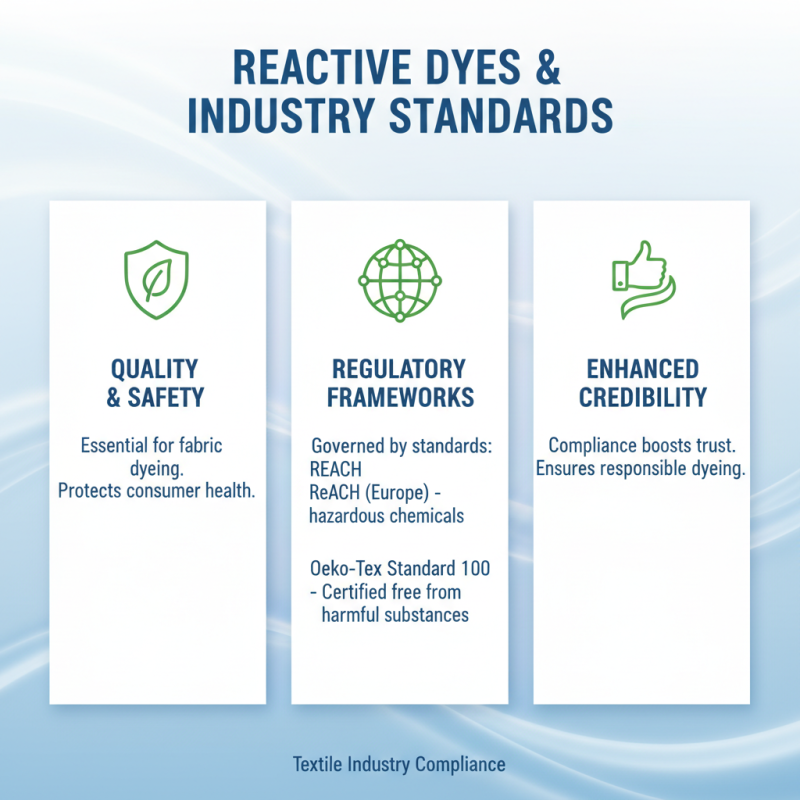
When selecting reactive dyes for fabric dyeing, it’s essential to consider industry standards that ensure both quality and safety. The textile industry is governed by various regulatory frameworks that dictate acceptable levels of harmful substances. Many reactive dyes must comply with standards such as REACH in Europe, which restricts the use of hazardous chemicals, and the Oeko-Tex Standard 100, which certifies textiles as free from harmful substances. Adhering to these standards not only protects consumer health but also enhances the credibility of the dyeing process.
Environmental considerations play a vital role in choosing the right reactive dyes. The dyeing process can have a significant impact on water resources and ecosystems, thus it’s crucial to select dyes that minimize pollution and waste. Sustainable dyeing practices, such as waterless dyeing techniques or the use of eco-friendly dyes, can reduce environmental footprints significantly. Additionally, consumers are becoming increasingly aware of sustainability issues, which can influence their purchasing decisions. Therefore, choosing dyes that align with eco-conscious practices not only meets regulatory requirements but also caters to the growing demand for environmentally responsible textiles.
Latest Trends and Innovations in Reactive Dye Technologies
Reactive dyes have revolutionized the textile industry, especially in the realm of cotton and other cellulose fibers. As we venture into 2025, the latest trends in reactive dye technologies focus on enhancing sustainability and efficiency. A recent report from the Global Textile Chemical Market projected that the revenue from reactive dyes will reach approximately $3 billion by 2025, reflecting a growing demand for these versatile coloring agents. Innovations in dye formulations, specifically those that reduce water and energy consumption in dyeing processes, are becoming increasingly vital. For instance, advanced reactive dyes are now being developed that can function effectively at lower temperatures, which not only conserves energy but also minimizes environmental impact.
Moreover, the integration of digital dyeing technologies is on the rise, allowing for more precise color application and better control over the dyeing process. This trend aligns with the findings from the Textile World report, which indicates that digital textile printing has seen a significant uptake, projected to grow at a CAGR of 15% through the coming years. By utilizing digital technologies, textile manufacturers can achieve lower waste rates and save on water usage, as precision dyeing involves less runoff and more controlled application. As the industry progresses, choosing the right reactive dyes will involve considering these innovative approaches that not only meet aesthetic demands but also align with sustainable practices.
2025 How to Choose the Right Reactive Dyes for Your Fabric Dyeing Needs - Latest Trends and Innovations in Reactive Dye Technologies
| Dye Type |
Application Method |
Fabric Type |
Environmental Impact |
Latest Trends |
| Cold Reactive Dyes |
Low-temperature dyeing |
Cotton, Viscose |
Lower water use |
Sustainable formulations |
| Hot Brand Reactive Dyes |
High-temperature dyeing |
Cellulosic fibers |
Higher chemical waste |
Innovative colorfastness |
| Eco-Friendly Reactive Dyes |
Eco-dyeing processes |
Wool, Silk |
Minimal environmental footprint |
Bio-based dyes |
| Multi-Reactive Dyes |
One-bath process |
Polyester, Cotton |
Increased chemical efficiency |
Improved color matching |