Why is the Dyestuff Industry Critical for Sustainable Fashion and Textiles?
The Dyestuff Industry plays a pivotal role in shaping the future of sustainable fashion and textiles. As the global textile market continues to evolve, the demand for eco-friendly dyeing solutions has never been more crucial. According to a recent report by the Textile Exchange, the dyeing and finishing processes can account for up to 20% of the total water pollution caused by industrial processes, emphasizing the need for sustainable practices within the Dyestuff Industry. Adopting environmentally friendly dyes not only minimizes ecological impact but also aligns with the growing consumer awareness surrounding sustainable fashion.
Experts like Dr. Laura Chen, a leading researcher in textile chemical sustainability, underscore the significance of this shift. “The Dyestuff Industry is at the forefront of transforming how textile products are manufactured and perceived by consumers, and sustainability must be the driving force behind this transformation.” Her insights highlight the necessity for the industry to innovate and develop dyes that reduce harmful emissions and waste, catering to a market increasingly driven by environmental consciousness. As the demand for sustainable textiles rises, understanding the complexities and impacts of the Dyestuff Industry will be essential for all stakeholders committed to a greener future.

Importance of Dyestuff in Sustainable Fashion and Textiles
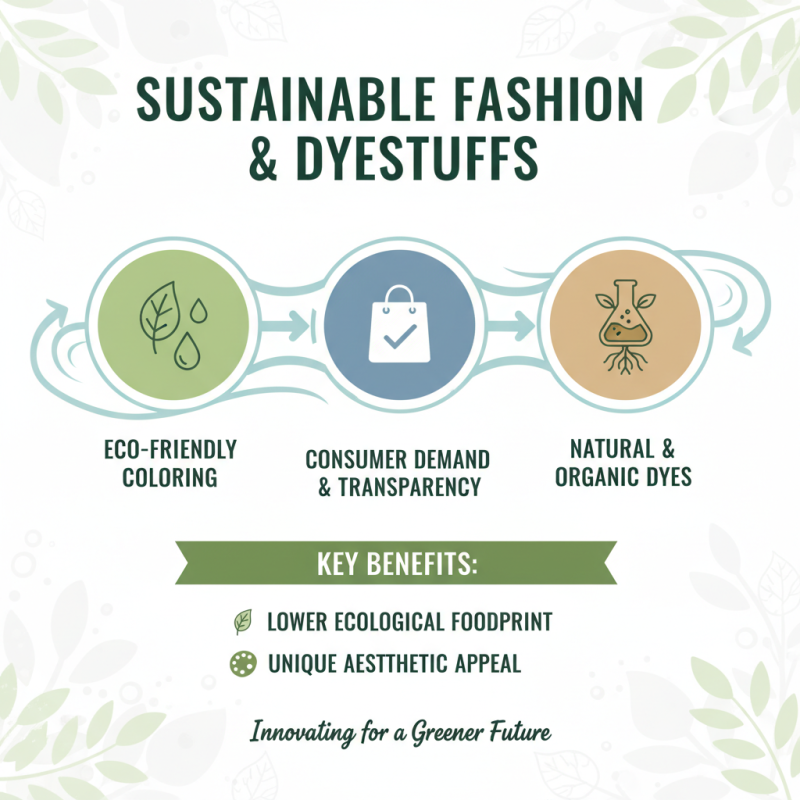
The dyestuff industry plays a crucial role in the realm of sustainable fashion and textiles by providing innovative and eco-friendly solutions for coloring materials. As consumers increasingly demand transparency and sustainability in their clothing, the need for dyes that minimize environmental impact becomes vital. Natural and organic dyes, derived from plants, minerals, and other sustainable sources, offer not only a lower ecological footprint but also a unique aesthetic appeal that aligns with the principles of sustainable fashion.
Moreover, the advancements in dye formulation have led to the development of non-toxic, biodegradable, and water-efficient dyes. These innovations significantly reduce water consumption and pollution associated with traditional dyeing processes. The shift towards sustainable dyes is not merely a trend but a necessity for the industry’s future, encouraging manufacturers to adopt cleaner production methods and consumers to make informed choices. By embracing sustainable dyestuffs, the fashion and textile industries can significantly contribute to resource conservation, toxic reduction, and the overall health of the planet, establishing a harmonious relationship between style and ecological responsibility.
Impact of Conventional Dyestuffs on Environmental Sustainability
The dyestuff industry plays a pivotal role in the fashion and textiles sector, particularly concerning sustainability. Conventional dyestuffs, often derived from petroleum, pose significant challenges to environmental sustainability. According to reports from the World Bank, the textile industry is responsible for about 20% of global water pollution, primarily due to the discharge of untreated dye wastewater. These dyestuffs contain harmful chemicals that can contaminate water sources and harm aquatic ecosystems.
Moreover, the production of synthetic dyes consumes vast quantities of water and energy, further exacerbating environmental degradation. A study published by the Environmental Protection Agency indicates that it takes approximately 100 liters of water to produce just one kilogram of dyed fabric. The dyeing process not only depletes water resources but also contributes to greenhouse gas emissions, which are critical factors in climate change. Transitioning to eco-friendly alternatives, such as natural dyes or innovative synthetic dyes that minimize environmental impact, could significantly reduce these harmful effects and align the dyestuff industry with the broader goals of sustainable fashion.
In light of these challenges, there is a growing demand for transparency within the dyestuff supply chain. Reports show that nearly 70% of consumers are willing to pay more for sustainable products, compelling companies to rethink their dyestuff sources and practices. By adopting greener technologies and sustainable practices, the dyestuff industry can shift towards a more responsible future that supports both environmental health and the sustainability of fashion and textiles.
Innovations in Eco-Friendly Dyestuff Alternatives
The dyestuff industry plays a pivotal role in the quest for sustainable fashion and textiles, primarily through the development of eco-friendly alternatives that reduce environmental impact. Traditional dyeing processes often involve hazardous chemicals that pose risks to both human health and the environment. However, recent innovations have sparked a shift towards more sustainable practices, focusing on natural dyes derived from plants, minerals, and even food waste. These alternatives not only minimize pollution but also promote biodiversity by utilizing renewable resources.
Furthermore, advancements in biotechnology have led to the creation of synthetic dyes that emulate the vivid colors of traditional dyes without the associated environmental harms. For instance, researchers are exploring colorants produced through fermentation processes, which can be derived from microorganisms. This not only reduces water usage and eliminates toxic runoff but also enables the production of dyes that are more consistent in color and quality. By embracing these innovations, the textile industry can significantly decrease its carbon footprint while catering to a growing market demand for sustainable and ethically produced fashion.
Why is the Dyestuff Industry Critical for Sustainable Fashion and Textiles? - Innovations in Eco-Friendly Dyestuff Alternatives
| Dimension |
Description |
Impact on Sustainability |
| Natural Dyes |
Colors derived from plants, minerals, and insects. |
Biodegradable, non-toxic, and lower environmental impact. |
| Synthetic Alternatives |
Innovative dyes made from organic materials, reducing waste. |
Resource-efficient and minimizes reliance on petrochemicals. |
| Water Usage |
Amount of water needed for dye production and application. |
Sustainable dyestuffs require less water, conserving resources. |
| Chemical Safety |
Use of harmful chemicals in traditional dyes. |
Eco-friendly alternatives reduce health risks for workers. |
| Overall Lifecycle |
Impact from production to disposal of dyed textiles. |
Innovative dyes improve the lifecycle assessment of products. |
Role of Regulatory Frameworks in Promoting Sustainable Dyestuffs
The dyestuff industry plays a pivotal role in the move toward sustainable fashion and textiles, significantly influenced by regulatory frameworks aimed at promoting environmentally responsible practices. These frameworks are essential in mitigating the impacts of synthetic dyes, which can lead to severe environmental degradation due to their chemical composition. According to a report by the United Nations Environment Programme, about 20% of industrial water pollution comes from dyeing processes, highlighting the necessity for stricter regulations that encourage the use of biodegradable and non-toxic dyestuffs.
Regulatory bodies are increasingly focusing on establishing guidelines that promote the use of sustainable dyeing techniques. This includes the adoption of natural dyes and the implementation of closed-loop systems that recycle water and minimize waste. The Global Fashion Agenda reported that only about 20% of dyes used in the industry are eco-friendly, indicating a significant opportunity for improvement. By fostering innovation and supporting sustainable practices, these frameworks can drive change within the dyestuff industry, compelling stakeholders to prioritize sustainability.
Tips: When considering sustainable dyestuffs, look for certifications such as OEKO-TEX or GOTS, which can guide consumers and manufacturers toward safer, more environmentally friendly options. Additionally, collaborating with local dyers who utilize natural materials can reduce the carbon footprint associated with textile production. Promoting education on sustainable practices within the industry is also vital for fostering long-term change.
Impact of Dyestuff Types on Sustainable Fashion Adoption
Consumer Awareness and Its Influence on Sustainable Dyestuff Choices
Consumer awareness is increasingly shaping the landscape of sustainable dyestuff choices in the fashion and textiles industry. As more consumers prioritize eco-friendly products, the demand for sustainable dyes is rising. According to a report by the Global Fashion Agenda, over 50% of consumers are influenced by environmental impact when making purchasing decisions. This trend underscores the necessity for brands to adopt sustainable practices not only in their production processes but also in the materials they use, including dyes.
The dyestuff industry plays a critical role in sustainability, as conventional dyes often contain hazardous chemicals that can harm the environment and human health. A study by McKinsey notes that the production of textiles results in a staggering 1.3 billion tons of greenhouse gas emissions annually, with a significant portion attributable to dyeing processes. By shifting to organic and natural dyes, brands can significantly reduce their carbon footprint and contribute to a more sustainable fashion ecosystem.
Tips for consumers looking to make sustainable choices include researching the dyestuffs used by their favorite brands, opting for products with certifications indicating environmentally friendly practices, and supporting companies that transparently disclose their sourcing and production methods. By making informed decisions, consumers can drive the demand for eco-friendly dyestuffs, ultimately encouraging the entire industry to adopt sustainable practices.