2026 How to Effectively Use Black Acid Dye in Your Projects?
Black Acid Dye has gained popularity in various projects due to its vibrant colors and versatility. It is ideal for fabrics, leather, and other materials. Experienced artisans appreciate its ability to create deep, rich hues. However, using Black Acid Dye effectively requires understanding its properties and application techniques.
One key aspect is proper preparation of the material. Ensure it is clean and free of impurities. This enhances dye absorption and color retention. Experimentation is often necessary. Different materials can react differently. Sometimes, results may not meet expectations. Learning from these experiences can lead to better applications in the future.
The choice of dyeing method also significantly influences the outcome. Techniques such as immersion or spray application can yield distinct results. Knowing when to use each method is crucial. Black Acid Dye can also be mixed to create custom shades. This flexibility makes it a favorite among creative professionals. Embracing the challenges often leads to unique results and personal growth in the craft.

Understanding Black Acid Dye: Properties and Applications
Black acid dye is a versatile coloring agent known for its rich, deep hues. It is primarily used to dye protein fibers, such as wool, silk, and nylon. This dye type interacts well with the molecular structure of these materials, providing vibrant colors that withstand washing and light exposure. According to industry data, black acid dyes represent approximately 25% of the specialty dye market, highlighting their popularity and effectiveness.
When working with black acid dye, understanding its properties is essential. The dye has a high degree of solubility in water, making it easy to work with. It can create a variety of shades depending on concentration and dyeing time. Keep in mind that improper handling can lead to inconsistencies in color results. It's crucial to maintain the right temperature and pH levels during the dyeing process.
Tip: Always conduct a small test dye before moving to larger quantities. This helps in fine-tuning the dye concentration and achieving the desired shade.
Another aspect to consider is the environmental impact of acid dyes. Industry reports suggest increased scrutiny over their usage due to water safety concerns. While black acid dyes provide stunning results, it’s vital to explore eco-friendly alternatives when possible.
Tip: Research sustainable dyeing methods that can reduce environmental impact while maintaining color quality. Creative solutions are emerging every day.
Selecting the Right Materials for Black Acid Dyeing Projects
When embarking on black acid dyeing projects, selecting the right materials is crucial for achieving vibrant results. Natural fibers like silk and wool absorb acidity well, leading to rich color penetration. However, synthetic materials often resist dye absorption, making them challenging for effective dyeing. According to industry reports, over 70% of textile professionals recommend using a 100% natural fiber base for optimal dye uptake.
Tip: Always pre-wash your fabrics. Residue can block dye absorption, leading to uneven coloring. A simple wash prevents this mistake, ensuring a consistent tone throughout your project.
Consider the pH levels of your dye bath. Black acid dyes work best in a lower pH environment, typically between 4 to 5. This creates a more favorable condition for dye interaction with fibers. Failing to manage pH can result in dull colors or uneven applications. Keep pH strips handy to achieve the desired balance.
Tip: Experiment with different fabrics in small batches. This allows you to gauge how various materials react to the dye. Adjustments may be necessary if the outcomes do not meet your expectations. Understanding the chemistry behind dyeing can lead to more satisfying results. Mistakes are part of the learning process and can guide future projects.
Step-by-Step Guide to Preparing Fabric for Dyeing
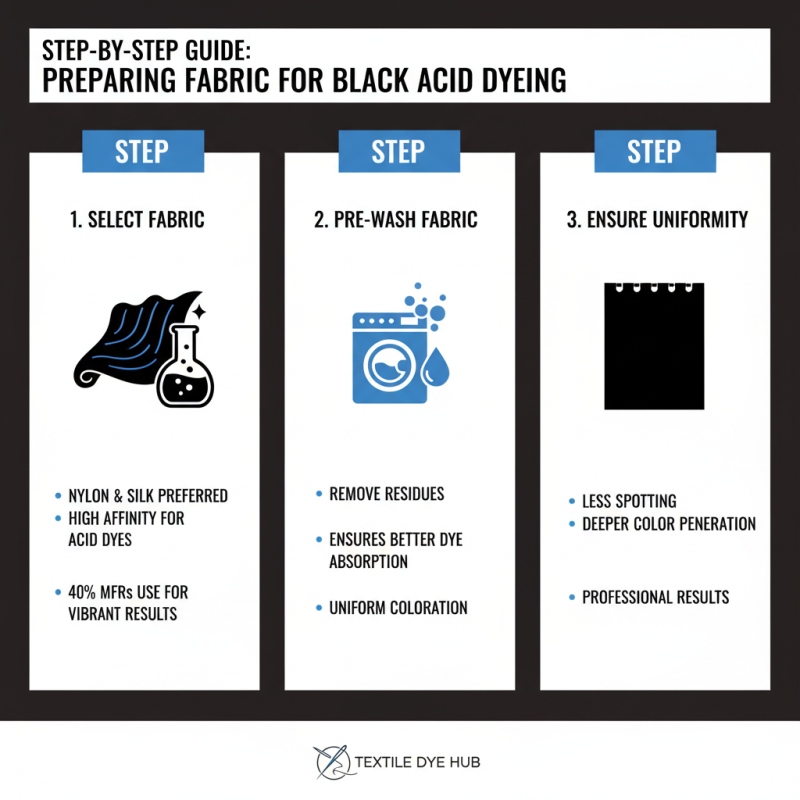
Preparing fabric for dyeing with black acid dye requires careful attention to detail. Start by selecting a suitable fabric. Nylon and silk are excellent choices, given their affinity for acid dyes. According to industry reports, about 40% of textile manufacturers favor these fibers for vibrant results. Once you have the fabric, pre-wash it to remove any residues. This step ensures better dye absorption, leading to more uniform color.
Next, consider the pH levels of your dye bath. Acid dyes thrive in acidic environments, typically around pH 4-5. A simple vinegar solution can achieve this pH. It’s crucial to measure the pH accurately, as too high or low can result in uneven dyeing. Many artisans overlook this, leading to splotchy outcomes.
Finally, when dyeing, maintain a steady temperature. The ideal range is about 180°F to 212°F (82°C to 100°C). Sudden temperature changes can lead to additional issues such as streaking or mottling. Keep stirring regularly to promote even color distribution. By keeping these steps in mind, you enhance your chances of achieving rich, deep tones. While dyeing with black acid dye can produce striking fabrics, attention to preparation is key.
Techniques for Applying Black Acid Dye Effectively
When working with black acid dye, applying the right techniques is essential for achieving vibrant, lasting results. One crucial aspect is preparing the fabric properly. Ensure the fabric is clean and free of any oils or finishes. Pre-washing helps the dye to penetrate evenly, which leads to better color saturation.
Tips for success: Use a pH-neutral detergent during the pre-wash. Avoid fabric softeners; they can hinder dye absorption. Additionally, experiment with dye concentrations to achieve your desired shade. A stronger dye bath can produce deeper colors, while a diluted solution provides softer tones.
Another technique involves controlling the dyeing environment. Temperature plays a significant role in the dyeing process. Maintaining a consistent water temperature helps the dye to fix properly. It's also important to keep stirring the fabric constantly while dyeing. This ensures even coverage and prevents uneven spots.
Remember to wear gloves and work in a well-ventilated area. Safety is crucial when handling dyes. Keep in mind that every fabric reacts differently, and you may face challenges. Documenting your process and outcomes can provide insights for future projects. Adjust your techniques based on what you learn along the way.
Effectiveness of Black Acid Dye Application Techniques
Post-Dyeing Care and Maintenance of Dyed Fabrics
Post-dyeing care and maintenance are crucial for ensuring the longevity of your dyed fabrics. Proper techniques can help maintain their vibrancy and quality. After dyeing with black acid dye, it's essential to rinse your fabrics thoroughly. This step removes excess dye particles that might otherwise wash out later, causing fading.
When it comes to caring for dyed fabrics, washing them should be done with care. Use cold water and a mild detergent. Hot water can compromise the dye's integrity. Avoid harsh chemicals, as these can lead to discoloration. You might notice some color loss initially; this is normal. It reflects how the fabric interacts with the dye.
Tip: Always air dry your dyed items. Direct sunlight can cause fading, while heat from dryers can affect fabric structure. Another important tip is to store your dyed fabrics away from light. Keeping them in a cool, dry place will prevent color changes over time. Regularly check for any signs of fading or wear, and treat them gently to extend their lifespan.
2026 How to Effectively Use Black Acid Dye in Your Projects? - Post-Dyeing Care and Maintenance of Dyed Fabrics
| Aspect |
Detail |
| Dye Type |
Black Acid Dye |
| Suitable Fabrics |
Wool, silk, and nylon |
| Preparation Method |
Wet the fabric before dyeing to ensure even absorption |
| Dyeing Temperature |
Between 70°C to 90°C |
| Post-Dyeing Rinse |
Rinse in cold water until water runs clear |
| Setting the Dye |
Use a vinegar or salt fixative for better color retention |
| Washing Instructions |
Hand wash in cold water; avoid bleach |
| Ironing Guidelines |
Iron on low heat; use a pressing cloth |
| Storage Recommendations |
Store in a cool, dry place away from direct sunlight |