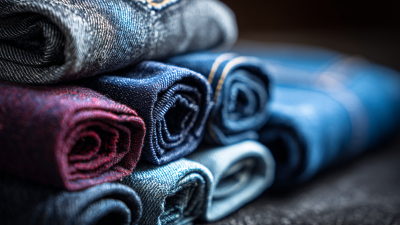
Ultimate Guide to Sulphur Denim Trends and Styles for 2025
The world of fashion is ever-evolving, and as we step into 2025, one of the most exciting trends on the horizon is the rise of Sulphur Denim. Known for its unique dyeing process, Sulphur Denim offers a distinctive aesthetic that blends comfort with contemporary style, making it a staple for denim enthusiasts. This guide delves into the latest trends and styles of Sulphur Denim, highlighting its versatility and appeal in today’s fashion landscape.
Sulphur Denim is not just another addition to the denim family; it represents a shift towards embracing sustainable practices and innovative design. As consumers become increasingly aware of the environmental impact of fast fashion, many are drawn to the eco-friendly qualities of Sulphur Denim. This fabric not only allows for a broader range of rich color palettes but also boasts durability that is essential for everyday wear. In this ultimate guide, we will explore the various styles that dominate the market, from classic cuts to modern silhouettes, all crafted from this fascinating material.
As we navigate through the latest trends of Sulphur Denim in 2025, we will uncover how this fabric can be styled to suit any occasion. Whether you are looking for casual wear or something more polished, Sulphur Denim proves to be a versatile choice that blends effortlessly with diverse fashion aesthetics. Join us on this journey as we celebrate the evolution of denim and discover why Sulphur Denim is set to make a significant impact on your wardrobe this year.

The Evolution of Sulphur Denim: A Historical Overview
The evolution of sulphur denim traces back to the late 19th century when denim became a staple for workwear, designed for durability and resilience. Initially, the dyeing process for denim involved indigo, giving it a deep blue hue. However, the introduction of sulphur dyeing in the early 20th century revolutionized the fabric's color palette, allowing for various shades, including blacks and earthy tones. Sulphur dyeing is known for its cost-effectiveness and resistance to fading, making it a popular choice for denim manufacturers aiming to create long-lasting products.
By the 1970s, sulphur denim gained prominence among fashion-forward consumers, driven by the rise of casual wear and youth culture. This period marked a significant shift in how denim was perceived, as it transitioned from purely functional attire to a style statement. The unique, faded look that sulphur processing produces became synonymous with vintage and distressed styles that are still in vogue today. As sustainability became a key focus in fashion, the ability of sulphur-dyed denim to age gracefully and develop a unique patina over time has cemented its place in contemporary fashion narratives, establishing a rich historical context that continues to influence trends as we approach 2025.
Ultimate Guide to Sulphur Denim Trends and Styles for 2025
Key Benefits of Sulphur Dyed Fabrics in Modern Fashion
Sulphur dyed fabrics have emerged as a cornerstone in modern fashion, offering a unique blend of aesthetics and practicality. One of the primary benefits of sulphur dyeing is its ability to create rich, deep colors that are not only visually appealing but also have remarkable colorfastness. This means that garments maintain their vibrant hues even after multiple washes, making them suitable for everyday wear and reducing the need for frequent replacements. Moreover, the earthy tones achieved through sulphur dyeing resonate well with contemporary trends that favor natural and organic color palettes.
Another significant advantage of sulphur-dyed fabrics is their eco-friendliness. The dyeing process typically involves less water and fewer harsh chemicals compared to conventional dyeing methods, aligning with the growing demand for sustainable practices in the fashion industry. This eco-conscious approach not only reduces pollution but also appeals to consumers who prioritize environmental responsibility in their fashion choices. Additionally, sulphur dyes can yield a variety of textures and finishes, which enhances the versatility of fabrics in creating diverse styles, from casual wear to high-fashion statements. As such, sulphur denim not only showcases an aesthetic choice but also embodies modern values of sustainability and durability.
Current Sulphur Denim Trends: Styles Dominating 2025 Runways
As we step into 2025, sulphur denim is making waves on the fashion runways, showcasing an array of innovative styles that redefine casual wear. This season, the focus is on sustainability paired with bold aesthetics, where brands are using sulphur dyeing techniques to create richly hued fabrics that tell a unique story. From deep indigos to soft pastels, the color palette speaks to both timelessness and a contemporary flair. The use of sulphur dye not only enhances the durability of the denim but also offers an eco-friendly alternative, appealing to the growing demand for sustainable fashion choices.
In terms of cuts and silhouettes, 2025 is seeing a resurgence of relaxed fits and wide-leg designs, providing a comfortable yet stylish edge to denim. High-waisted jeans remain a staple, allowing for versatile styling across both casual and chic looks. Additionally, the layering of textures with denim jackets and oversized vests in matching or contrasting sulphur shades adds depth to outfits. Accessories in natural fibers and earthy tones are paired seamlessly, underscoring the trend of integrating eco-conscious elements into everyday wear. As sulphur denim continues to evolve, it’s clear that the key lies in striking a balance between style, comfort, and sustainability.
Sustainability in Sulphur Denim: Environmental Impact and Practices
Sustainability in sulphur denim production has emerged as a pivotal focus for the fashion industry as more brands and consumers are prioritizing environmentally friendly practices. Sulphur dyeing, which is known for its economic efficiency and colorfast properties, has been evolving to minimize its environmental footprint. According to a recent report by the Textile Exchange, the global denim market is projected to reach $76.2 billion by 2025, necessitating a shift towards sustainable practices to meet consumer expectations for eco-friendly products.
Innovative techniques such as waterless dyeing and the use of organic cotton are becoming increasingly prevalent in sulphur denim production. Data from the Sustainable Apparel Coalition indicates that traditional denim production can consume up to 7,500 liters of water per pair, but with the adoption of sustainable methods, this usage can be reduced by over 90%. Furthermore, the introduction of biodegradable and non-toxic chemicals in the dyeing process significantly decreases the impact on waterways and ecosystems, aligning with the findings of the UN’s Fashion Industry Charter for Climate Action, which aims to reduce greenhouse gas emissions by 30% by 2030.
Consumer awareness surrounding the impact of textile production on the environment is at an all-time high. According to a 2023 survey by McKinsey, 66% of consumers are willing to pay more for sustainable brands, highlighting the demand for sulphur denim that balances style with ecological responsibility. As the industry continues to adapt to these trends, practices such as recycling and circular production methods are expected to gain traction, reinforcing the pathway towards a more sustainable future in denim fashion.
Consumer Preferences: Market Analysis of Sulphur Denim Purchases in 2025
As the trend of sulphur denim gains momentum, consumer preferences are shifting significantly in 2025. This year, shoppers are increasingly inclined towards sustainability and innovation in fabric treatment. Sulphur denim, known for its eco-friendly dying process, appeals to environmentally conscious consumers looking to minimize their carbon footprint. The robust and durable nature of sulphur-dyed denim also resonates with those seeking longevity in their fashion choices, leading to a marked increase in purchases.
Market analysis reveals that versatility in style is a key driver in consumer decisions. This year, consumers are actively seeking denim that can transition seamlessly from casual to upscale settings, prompting a preference for versatile cuts and washes. Additionally, the demand for unique finishes, such as faded and distressed looks, underscores a desire for individuality in denim wear. The overall market for sulphur denim is projected to expand, driven by these evolving consumer trends that prioritize both style and sustainability.
Ultimate Guide to Sulphur Denim Trends and Styles for 2025
| Category |
Percentage of Consumers (%) |
Preferred Style |
Average Price (USD) |
| Skinny Jeans |
35 |
Classic Blue |
75 |
| Wide Leg Jeans |
25 |
Light Wash |
85 |
| Straight Leg Jeans |
20 |
Dark Wash |
80 |
| Bootcut Jeans |
15 |
Distressed |
70 |
| Cargo Jeans |
5 |
Olive Green |
90 |