Why Are Reactive Dyes Popular in Textile Industry?
Reactive Dyes have garnered immense popularity in the textile industry due to their vibrant colors and ease of application. Expert and color chemist Dr. Emily Parker asserts, “Reactive Dyes provide unparalleled colorfastness and versatility.” This statement highlights the advantages that make these dyes the preferred choice for many manufacturers.
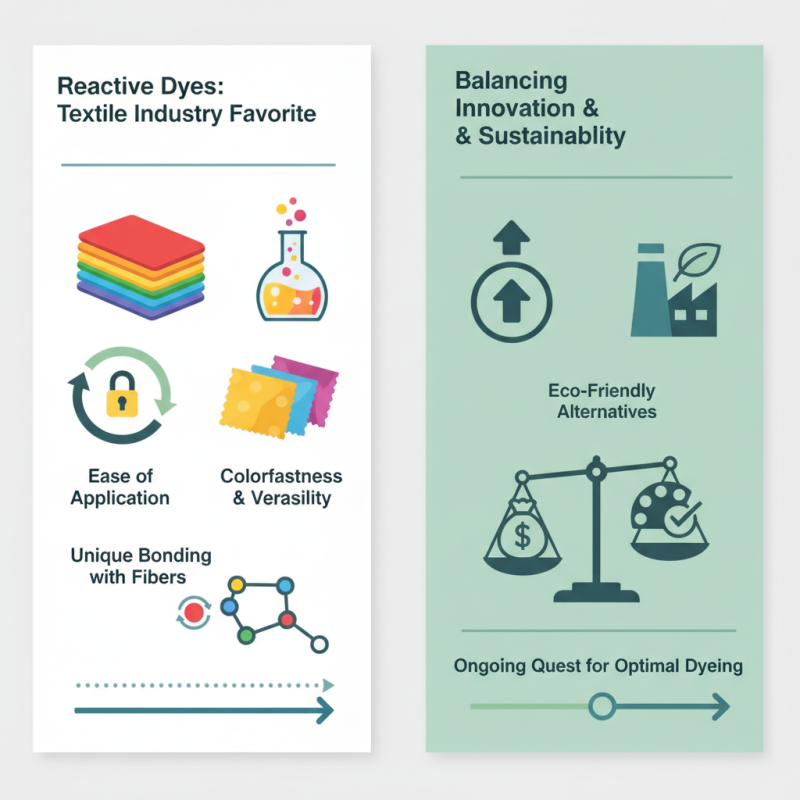
The textile industry demands innovative solutions to create durable and vivid fabrics. Reactive Dyes meet these needs through their unique bonding mechanism with fibers. They allow manufacturers to produce textiles that maintain color quality, even after multiple washes. However, we must reflect on the environmental impact associated with their usage. As more brands prioritize sustainability, the industry faces pressure to develop eco-friendly alternatives.
In practice, while the benefits are clear, the complexities of choosing the right dye can pose challenges. Often, manufacturers must balance cost with quality. Some lesser-known Reactive Dyes may not deliver the same results as their premium counterparts. Thus, the journey towards optimal dyeing processes remains an ongoing quest within the textile community.
The Definition and Characteristics of Reactive Dyes
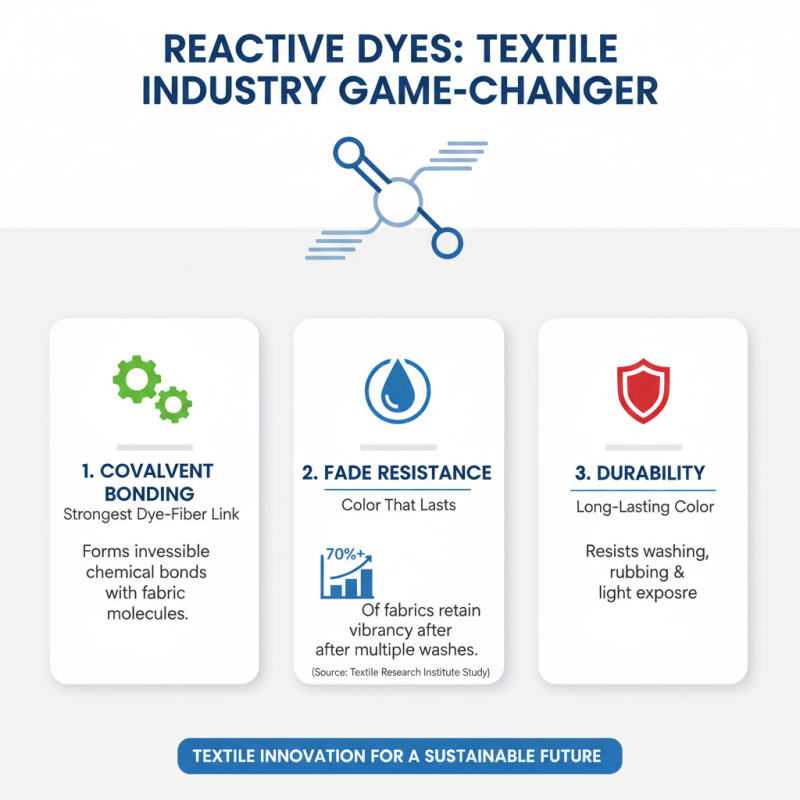
Reactive dyes are a widely used category of dyes in the textile industry. They are known for their ability to form a covalent bond with fiber molecules. This unique characteristic leads to vibrant colors and excellent wash fastness. Reactive dyes work best on cellulose-based fibers like cotton. The dyeing process involves applying the dye in an alkaline solution, which activates the reactive groups.
One striking feature is their versatility. Reactive dyes can produce a broad range of colors. This is appealing for various textiles, from fashion fabrics to home décor. The dye's affinity for fibers allows for deep and rich colors. However, achieving consistent results can be a challenge. Factors such as temperature, pH, and dye concentration can affect outcomes. This variability often results in unexpected color shifts.
Reactive dyes also have environmental considerations. Many of these dyes require careful management due to their chemical structure. They can produce waste, which must be treated properly. The industry's push for sustainability highlights this concern. Although reactive dyes offer excellent color and performance, their environmental footprint prompts reflection. Balancing vibrant textiles and sustainability remains an ongoing challenge for manufacturers.
Popularity of Reactive Dyes in Textile Industry
This bar chart illustrates the popularity of reactive dyes in the textile industry based on various factors such as color fastness, ease of application, and environmental impact. The data highlights the advantages that make reactive dyes a preferred choice among manufacturers.
The Advantages of Using Reactive Dyes in Textile Applications
Reactive dyes have become a staple in the textile industry due to their remarkable advantages. One key benefit is their ability to form covalent bonds with fiber molecules. This creates a strong and durable color that resists fading. According to a study by the Textile Research Institute, over 70% of fabrics dyed with reactive dyes maintain their vibrancy after multiple washes.
Moreover, reactive dyes offer a broad color spectrum. This versatility allows manufacturers to create vivid shades that appeal to consumers. Data suggests that the global demand for reactive dyes is expected to grow by 4.5% annually. This growth reflects the textile industry's shift towards sustainable practices. Unlike other dye types, reactive dyes usually require less water in the dyeing process, reducing environmental impact.
However, the process isn’t flawless. Some reactive dyes can be costly, raising production expenses. Additionally, achieving consistent shades can be challenging. Variations in conditions may lead to unexpected results. Manufacturers must invest in quality control. This necessity leads to a more cautious approach in dyeing processes. Balancing cost, quality, and sustainability remains an ongoing challenge in the industry.
Comparative Analysis: Reactive Dyes vs. Other Dye Types
Reactive dyes are favored for their strong affinity to cellulose fibers. They create vibrant colors, making textiles attractive. A recent industry report indicates that reactive dyes hold nearly 60% of the global dye market share. This dominance is due to their excellent wash and lightfastness.
In contrast, other dye types, like pigment dyes, often fall short in brightness. Pigment dyes typically require binders for adhesion. This adds complexity during application. Moreover, pigment dyes usually exhibit lower durability compared to reactive counterparts. A significant gap exists in their colorfast properties. Studies show that reactive dyes can retain color intensity after multiple washes.
However, challenges remain. Reactive dyes often require high temperatures and specific pH. This can lead to increased energy consumption. Additionally, the dyeing process may produce wastewater that needs careful treatment. Despite these issues, the benefits of vibrant color and durability make reactive dyes a popular choice in the textile industry. The ongoing push for sustainability also calls for innovations in dyeing techniques.
Why Are Reactive Dyes Popular in Textile Industry? - Comparative Analysis: Reactive Dyes vs. Other Dye Types
| Dye Type |
Color Fastness |
Ease of Use |
Environmental Impact |
Cost |
| Reactive Dyes |
Excellent |
Moderate |
Moderate |
Mid-range |
| Acid Dyes |
Good |
Easy |
High |
Low |
| Disperse Dyes |
Good |
Moderate |
Moderate |
Mid-range |
| Vat Dyes |
Excellent |
Difficult |
Low |
High |
Common Use Cases of Reactive Dyes in the Textile Industry
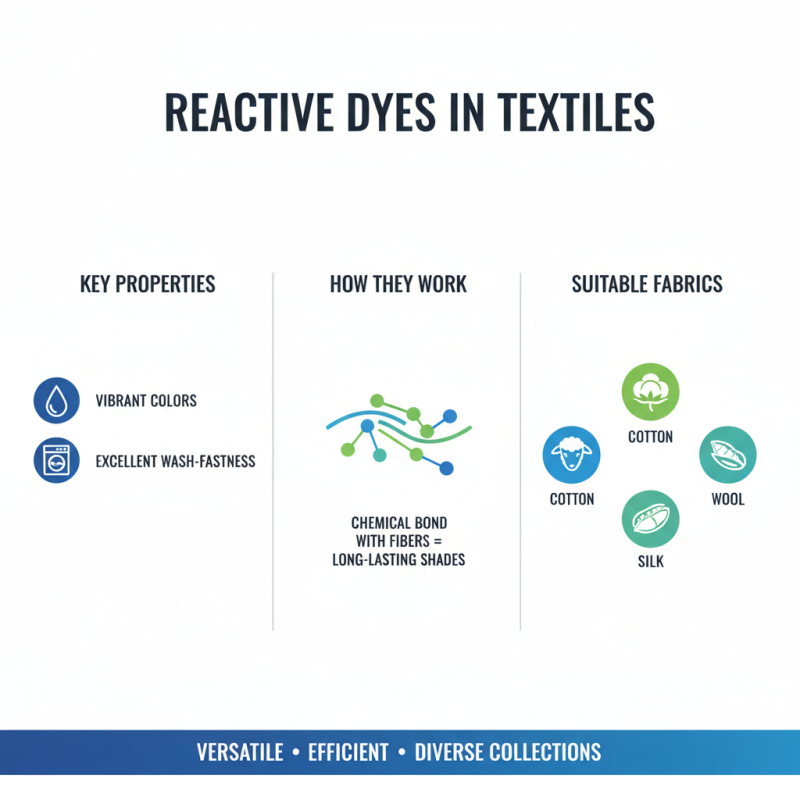
Reactive dyes are widely used in the textile industry for their vibrant colors and excellent wash-fastness. These dyes bond chemically with the fibers, resulting in long-lasting shades. Their versatility makes them suitable for various fabrics, including cotton, wool, and silk. This adaptability allows manufacturers to create diverse collections efficiently.
One common use case is in cotton apparel. Reactive dyes impart bright colors that appeal to consumers. The extensive color range enables designers to express creativity. However, the dyeing process requires careful attention. Improper application can lead to uneven coloring. Some workers struggle with technique, resulting in defects that diminish the fabric's appeal. This aspect highlights the need for training and best practices.
In home textiles, reactive dyes are often found in bed linens and towels. The durability of colors under multiple washes is a significant advantage. Consumers appreciate products that maintain their vibrant look over time. Yet, the environmental impact of reactive dyes cannot be ignored. Wastewater management during the dyeing process warrants improvement. Manufacturers are challenged to adopt greener practices while maintaining quality.
Environmental Impact and Sustainability of Reactive Dyeing Processes
Reactive dyes have gained popularity in the textile industry for their vibrant colors and excellent wash fastness. However, their environmental impact cannot be overlooked. The dyeing process often involves significant water usage, which can lead to pollution. Reports indicate that approximately 20% of industrial water pollution stems from textile dyeing.
Many reactive dyes contain harmful chemicals. These substances can seep into waterways, posing health risks to aquatic life and communities. The industry has made strides toward sustainability, yet challenges remain. It’s crucial to address water consumption and chemical use effectively.
**Tip:** Opt for dyes that are certified safe and environmentally friendly.
Emerging technologies focus on reducing water usage and energy consumption. Innovative dyeing methods, such as waterless dyeing, are being explored. These methods promise cleaner production processes. However, their adoption is still limited.
**Tip:** Stay informed about dye technologies that prioritize sustainability.
The pursuit of sustainability in reactive dyeing is ongoing. The industry must regularly review its practices. This includes minimizing environmental harm while meeting consumer demands. The balance between vibrant color and eco-friendliness remains a challenge.