Top 10 Special Dyes for Crafting Unique Fabrics and Materials?
Creating unique fabrics is an art. Special dyes can transform ordinary materials into stunning pieces. With the right techniques, crafting becomes an adventure.
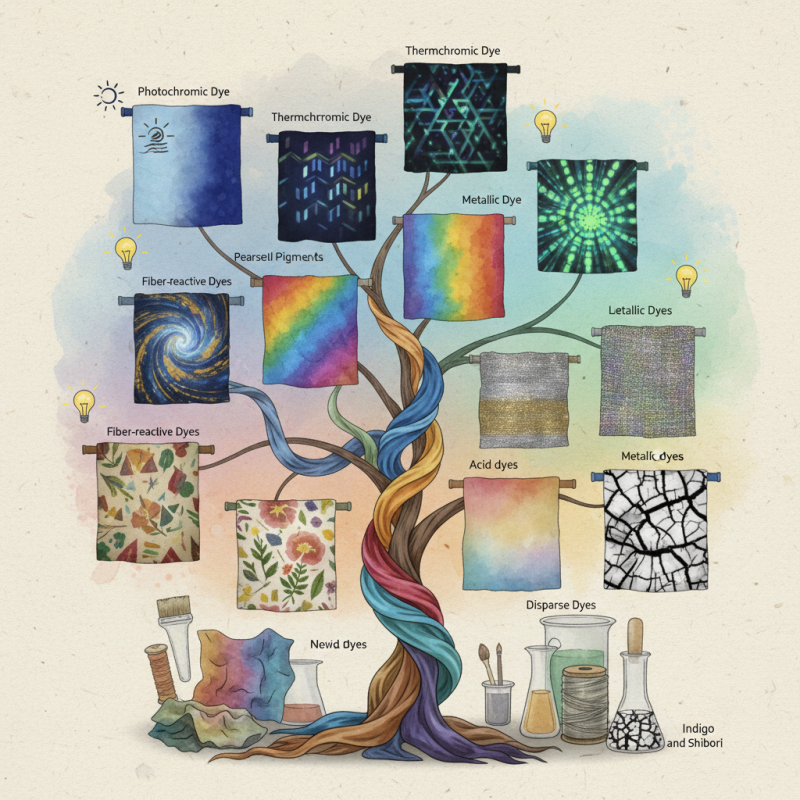
The world of special dyes offers endless possibilities. Imagine a fabric that changes color in sunlight. Picture intricate patterns appearing as if by magic. Each dye has its own charm and story. Experimenting with them can be both thrilling and challenging.
Selecting the right special dyes sometimes leads to unexpected results. Not every dye works as intended. Sometimes, the colors may not blend well. These little challenges can inspire new ideas. Every failed attempt can teach valuable lessons. Embrace the journey of creativity.
Exploring the World of Special Dyes in Fabric Crafting
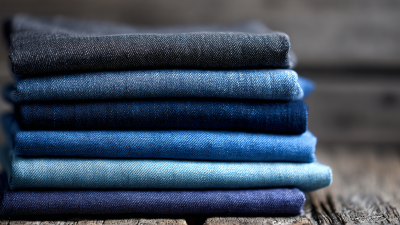
Exploring the world of special dyes opens up endless possibilities for fabric crafting. These dyes can transform any ordinary material into something vibrant and unique. Consider natural dyes like indigo and madder. They offer deep, rich colors derived from plants. However, each dye requires careful preparation and knowledge of the dyeing process.
Many crafters overlook the importance of colorfastness and the chemistry behind dyeing. Not all fabrics hold dye equally well. Sometimes, the results may not meet expectations. Experimenting with different fabrics can lead to unexpected yet intriguing outcomes. It's a journey filled with trial and error.
Additionally, synthetic dyes provide a wider color palette but can be less forgiving. They often require specific techniques to achieve the desired hue. Some colors can fade over time or bleed during washing. It's essential to embrace these flaws. Each failed attempt teaches us something new. By exploring different dyes, we craft our unique narrative through fabric. The imperfections can become part of the artwork itself.
Understanding Different Types of Dyes for Unique Textile Effects
When exploring the world of crafting unique fabrics, understanding dyes is essential.
Natural dyes have a special charm. They create rich colors and earthy textures. From plants to insects, these materials offer a spectrum of shades.
They often require extra effort. For beginners, this process can seem daunting. Yet, the results can be truly rewarding.
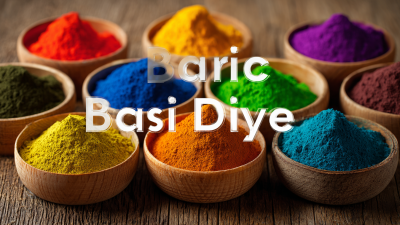
Synthetic dyes are another option. They provide vibrant colors and consistency. These dyes are often easier to use, but they may lack the depth of natural alternatives.
Experimentation is key. Mixing colors can lead to unexpected and beautiful outcomes. Sometimes, the unintended results can inspire creativity.
However, be cautious; some synthetic dyes can be harsh. Always test on scraps first.
Dyeing techniques vary greatly. Tie-dyeing creates fun patterns, while shibori adds elegance. Each method offers different textures.
Some techniques may take practice. Mistakes can happen, leading to unpredictable results. Embrace the journey,
as every unique piece tells its own story. The world of dyes is both challenging and rewarding.
With time, you will develop a deeper appreciation for the art of fabric creation.
Step-by-Step Guide to Choosing the Right Dye for Your Project
Choosing the right dye for your fabric projects is crucial. The dye you select can impact color vibrancy, durability, and the overall feel of the material. Research shows that 70% of consumers prioritize fabric quality when choosing dyes. Understanding your fabric type is essential. Natural fibers like cotton absorb dyes differently than synthetic fibers. For instance, reactive dyes work well with cotton, offering bright colors and excellent wash fastness.
Tips: Always test a small fabric piece before committing. This way, you see how the color reacts. Consider the method of application too. Some dyes require heat, while others can fix at room temperature. Be mindful that colors can change based on water quality and pH levels.
Incorporating unique dyes may be a fun endeavor. However, it's vital to understand the limitations. Not all dyes are suitable for all projects. The International Textile and Apparel Association states that 45% of DIY dyeing projects fail due to improper dye choice. Experimenting can lead to unexpected results, some of which may not meet your vision. Thus, continuous learning and testing are key. Consider documenting your process to refine your technique over time.
Innovative Techniques for Applying Special Dyes to Fabrics
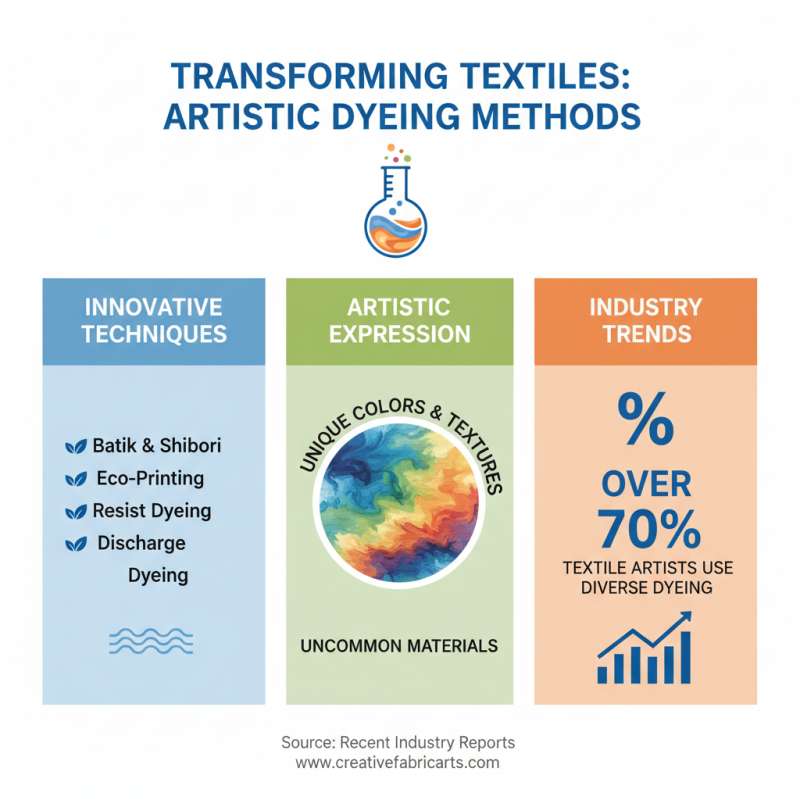
Applying special dyes to fabrics can transform ordinary materials into unique artistic expressions. Innovative techniques are emerging, allowing creators to experiment with colors and textures. According to recent industry reports, over 70% of textile artists are now using diverse dyeing methods to achieve distinct effects.
One popular technique is tie-dye, where fabric is tightly bound to create intricate patterns. This age-old method has evolved with synthetic and natural dyes, offering a spectrum of colors. Another fascinating approach is the use of shibori, a Japanese resist dyeing technique. It requires careful folding and stitching, creating mesmerizing designs. Though beautiful, achieving consistency can be challenging. Practitioners often face difficulties in predicting the final outcome, leading to unexpected surprises.
Eco-friendly dyes are gaining traction as sustainability becomes a priority. Some studies suggest that nearly 40% of consumers are searching for environmentally safe options. However, working with natural dyes can present hurdles, such as limited colorfastness and the need for mordants. These challenges can frustrate even seasoned artisans. Nevertheless, overcoming these obstacles can lead to stunning results, inspiring others in the crafting community.
Safety Precautions and Best Practices in Dyeing Processes
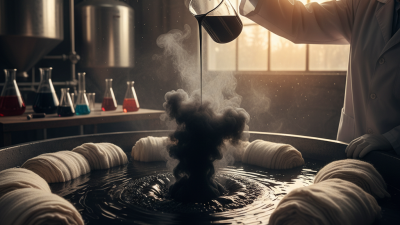
Dyeing fabrics can be a creative and rewarding process. However, safety should always come first. Many dyes contain chemicals that can irritate the skin or cause respiratory issues. According to industry reports, over 30% of dyers experience adverse health effects from improper handling of dye materials. Always wear gloves and a mask to minimize exposure.
When preparing for a dyeing project, proper ventilation is key. Set up your workspace near a window or in a well-ventilated area. This helps reduce inhalation of harmful fumes. Also, consider using biodegradable dyes whenever possible. They are better for both your health and the environment.
**Tips:** Always test dyes on scrap fabric first to ensure the desired color. Keep a log of your dye mixtures for future reference. If you notice irritation or discomfort during the process, stop immediately. Monitor your surroundings for any signs of danger. The dyeing process can be messy and unpredictable. Be prepared to adjust your techniques as needed.