How to Use Synthetic Mica Powder in Cosmetics and Crafts?
synthetic mica powder has become a key ingredient in the cosmetics and crafts industries. Its shimmering quality enhances product appeal. Renowned expert Dr. Lisa Hauser notes, "Synthetic mica powder offers versatility without compromising safety." This statement emphasizes its importance for creators seeking innovative options.
Craft enthusiasts and cosmetic formulators alike appreciate its benefits. synthetic mica powder is safe, cruelty-free, and environmentally friendly. It creates stunning effects in makeup and art projects. However, sourcing high-quality synthetic mica can be challenging. Some products may fall short in terms of texture or pigmentation.
Experimentation with synthetic mica powder can lead to exceptional results. Yet, users must remain aware of their unique needs and the quality of their materials. Striking a balance between creativity and practicality is essential. This exploration into synthetic mica powder reveals its potential as a transformative ingredient in various applications.
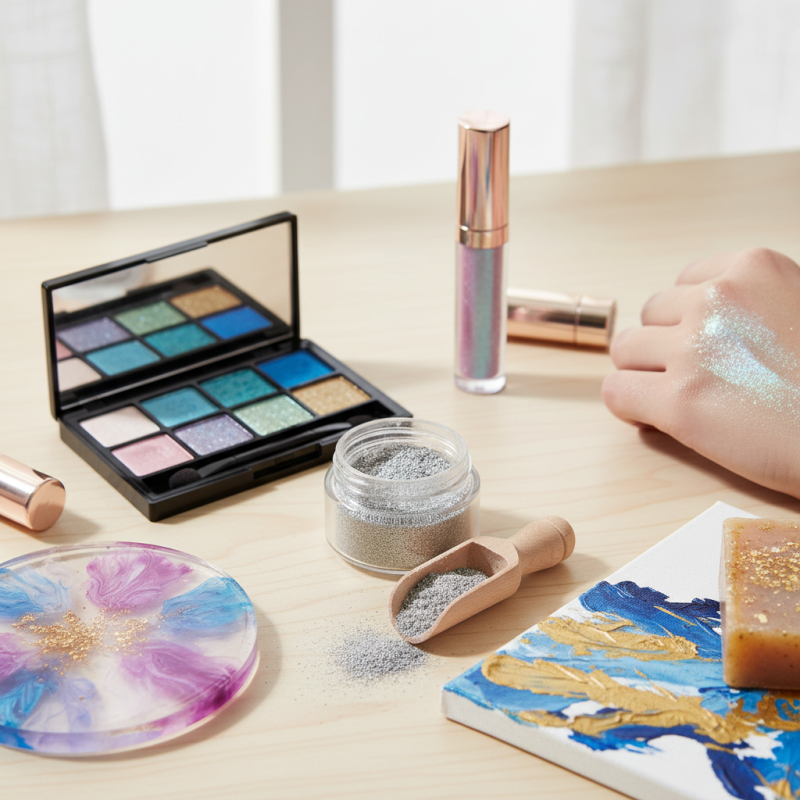
Understanding Synthetic Mica Powder: Definition and Properties
Synthetic mica powder is a versatile ingredient, found in many cosmetics and crafts. It is made from a naturally occurring mineral, processed to create a fine powder. This synthetic version often has a more uniform texture and can be produced in various colors. Its shimmering properties add depth to products, creating a luminous effect.
In cosmetics, synthetic mica powder is treasured for its ability to reflect light. It enhances products like eyeshadows, blushes, and highlighters. The result? A radiant glow without harmful effects. Unlike natural mica, synthetic versions can be produced without the environmental concerns tied to mining.
However, it's essential to consider the sourcing and production methods of synthetic mica. While it is generally safer, not all brands prioritize ethical practices. Reflecting on these aspects can lead to more informed choices in both beauty and crafting. The quest for purity and sustainability in materials is ongoing, reminding us that craft and skincare can be as responsible as they are beautiful.
Benefits of Using Synthetic Mica Powder in Cosmetic Formulations
Synthetic mica powder has become a popular choice in cosmetics due to its unique benefits. It provides a natural shimmer and shine, making products more visually appealing. This mineral is lightweight and blends seamlessly into formulations. Its smooth texture enhances the application experience. Imagine a foundation that glides effortlessly onto the skin, leaving a luminous finish.
Moreover, synthetic mica is versatile. It’s suitable for powders, creams, and lotions. Unlike natural mica, it’s consistent in quality, ensuring a uniform look across batches. However, it's crucial to use the right particle size. Larger particles may enhance shimmer but can feel gritty. The challenge lies in finding the perfect balance for a soft touch without sacrificing that radiant glow.
In terms of safety, synthetic mica is less prone to contamination compared to its natural counterpart. Still, some users may be sensitive, so testing on a small area is wise. Synthetic mica also supports a cruelty-free approach, as it does not involve mining. This factor resonates with eco-conscious consumers. Embracing synthetic mica can elevate cosmetic creations, but awareness and careful formulation are essential.
How to Use Synthetic Mica Powder in Cosmetics and Crafts?
| Aspect | Details |
| Origin | Artificially produced, non-toxic mineral |
| Benefits | Provides shimmer and enhances color application |
| Applications | Cosmetics, body care products, arts and crafts |
| Common Uses in Cosmetics | Eyeshadows, highlighters, lip products, nail polish |
| Color Range | Wide variety, including natural and vibrant hues |
| Advantages Over Natural Mica | Consistent quality, no heavy metal contamination |
| Eco-Friendliness | Sustainable production processes without mining impact |
| Safety | Dermatologically tested, suitable for sensitive skin |
Creative Applications of Synthetic Mica Powder in Arts and Crafts
Synthetic mica powder is a versatile material used in various arts and crafts. Its shimmering quality brings a unique glow to projects. You can find it in paints, resin work, and homemade cosmetics. This powder is safe and easy to work with. Many artists appreciate its luminous finish. It can be mixed into paints for an iridescent effect or used in DIY soaps for a stunning look.
When using synthetic mica in crafts, consider your project carefully. Will it be durable enough? Mixing different colors can create beautiful effects, but the result may surprise you. Sometimes, the final appearance is not what you envisioned. That’s part of the creative process. Experimentation can lead to exciting results or unexpected outcomes.
Adding synthetic mica powder to your projects can elevate them. The shimmering particles draw attention and enhance visual appeal. Yet, be mindful of application methods. Some techniques might not produce the desired effect. Practice is key here. Don't hesitate to adjust your approach and embrace the learning experience.
Safety and Regulatory Considerations for Synthetic Mica in Products
When using synthetic mica powder in cosmetics and crafts, safety is crucial. Regulatory authorities assess the safety of synthetic mica to ensure it meets industry standards. Manufacturers must comply with these regulations to keep consumers safe. Many people trust that products are safe, yet incidents occur. Transparency in sourcing is essential for consumer confidence.
Tips: Always check for certifications on synthetic mica products. Look for updated safety data sheets. Make sure your suppliers are reliable.
Synthetic mica, while often a safer alternative to natural mica, requires careful handling. Some individuals may have skin sensitivities. Conduct patch tests before full use on the body. Ignoring this can lead to potential irritation.
In crafts, ensure synthetic mica's purity. Impurities can affect the final product. Read labels carefully. Consider environmental implications of your materials too. Sustainable sourcing should be a priority for makers.
Comparing Synthetic Mica Powder with Natural Mica: Key Differences
Synthetic mica powder and natural mica have some clear differences. Natural mica comes from the earth, mined and processed. It offers a unique, shimmering effect but may contain impurities. Synthetic mica is engineered, resulting in a purer product. It can mimic natural mica's luster while avoiding many of its drawbacks.
Synthetic mica is more consistent in texture and color. It does not vary like natural mica. This consistency can be vital for cosmetics. However, some artists feel natural mica has a depth that synthetic mica lacks. They argue it adds character.
In terms of safety, synthetic mica usually has fewer risks. Natural sources can contain heavy metals. For cosmetics, this is a concern. Still, synthetic mica's performance might not meet every artisan's standards. Experimentation is essential. Choose the right option based on the desired effect and application needs.
Comparison of Synthetic Mica Powder and Natural Mica in Cosmetics and Crafts