2026 How to Use Vat Dyes for Perfect Fabric Dyeing Results?
In the world of fabric dyeing, Vat Dyes stand out for their unique qualities. They offer vibrant colors and excellent lightfastness. However, achieving perfect results can feel overwhelming. Many feel unsure about the dyeing process itself.
Vat Dyes require a specific technique to unlock their full potential. They need to be reduced to a soluble form before applying them to fabric. Beginners may struggle with this initial step, which can lead to uneven coloring. Mistakes in the reduction process are common but can be fixed with practice.
Using Vat Dyes can transform your textile projects. Yet, inconsistency in technique can dampen the vibrancy. Understanding how to handle these dyes is crucial. Pay attention to temperature and pH levels; they significantly affect outcomes. Dive into the world of Vat Dyes, and with patience, you will achieve remarkable results.
Understanding Vat Dyes: Characteristics and Benefits for Fabric Dyeing
Vat dyes are a unique category known for their excellent color fastness. They are insoluble in water but can penetrate fabric through a reducing agent. Once bonded, they provide vibrant and long-lasting colors. Studies indicate that vat dyes can retain their brilliance for more than 30 washes, making them a favorite in the textile industry.
When using vat dyes, proper preparation is key. Fabrics should be clean and free of residue. Pre-soaking fabrics in a mild alkaline solution can enhance dye uptake. A 2022 report by the Textile Research Journal showed that pre-treatment increased dye absorption by up to 25%. It's crucial to carefully monitor temperature and pH levels during the dyeing process for the best results.
Tips: Always test dye on a small fabric piece first. Adjust concentration based on the fabric type. Be aware that some shades may not appear as vibrant initially. This could lead to dissatisfaction if expectations are too high. Experimentation can be rewarding but requires patience. Repeated dyeing processes may be necessary to achieve the perfect color.
Preparing Your Fabric: Essential Steps for Optimal Dye Absorption
Preparing your fabric is crucial for achieving optimal results with vat dyes. Start by selecting natural fibers. Cotton, linen, and silk absorb dyes better than synthetic materials. According to industry reports, natural fibers have an absorption rate of over 90%. This significantly enhances dye uptake, providing vibrant colors.
Before dyeing, it’s essential to pre-wash your fabric. This removes finishes and residues that could hinder absorption. Soak your fabric in warm water with a mild detergent. Rinse thoroughly until the water runs clear. You may notice some residual dirt. This indicates the effectiveness of the pre-wash.
Tip: Sometimes, using a mordant can improve dye adherence. Test on a small piece first. Understand that not all dyes will behave the same way. There might be unevenness in color, which can be frustrating. But imperfections can create unique, artistic effects. Remember, learning to dye is a journey filled with trials and errors. Embrace the process.
Mixing Vat Dyes: Techniques for Achieving Accurate Color Shades
Mixing vat dyes can be a challenging yet rewarding process. To achieve accurate color shades, it’s vital to understand your materials and techniques. Start with a color wheel in mind. Visualize how primary colors blend. This understanding is crucial for creating your desired shades.
Tips: Always note the proportions used. Keep a color journal. Document your mixtures for future reference. This will help you refine your process over time. Experimentation is key. Don’t be discouraged if the colors don’t match your expectations initially. Colors can shift in unexpected ways.
When mixing, consider the temperature of the dye bath. Warmer temperatures can enhance color absorption. Adjust according to the fabric type. Remember that some fabrics may react differently to the same dye blend. This leads to unique outcomes. Embrace these imperfections; they can add character to your projects. Reflect on your results, and adjust your approach accordingly.
Dyeing Process: Step-by-Step Application of Vat Dyes on Fabric
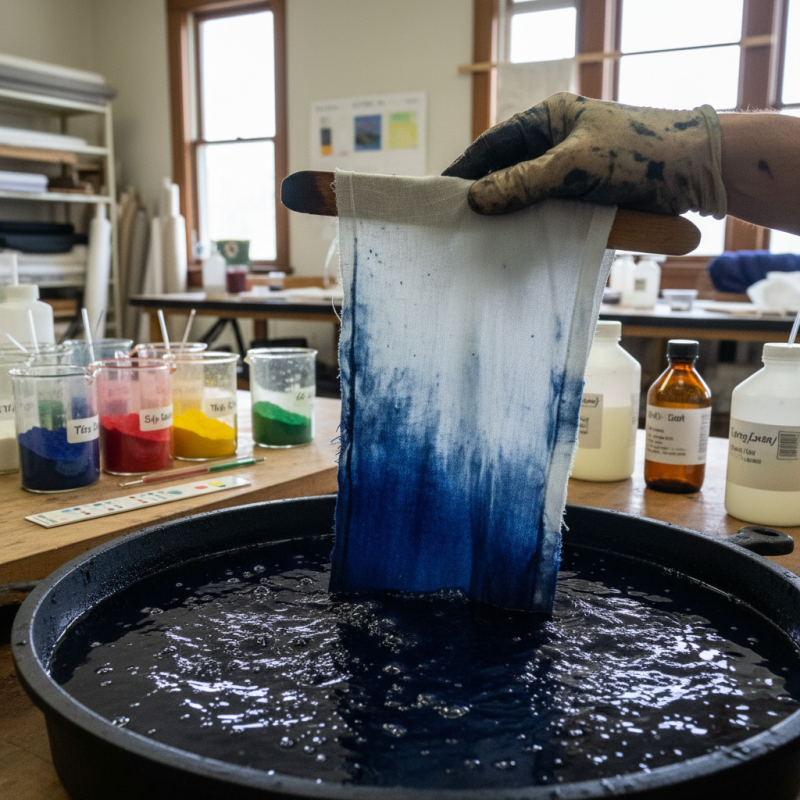
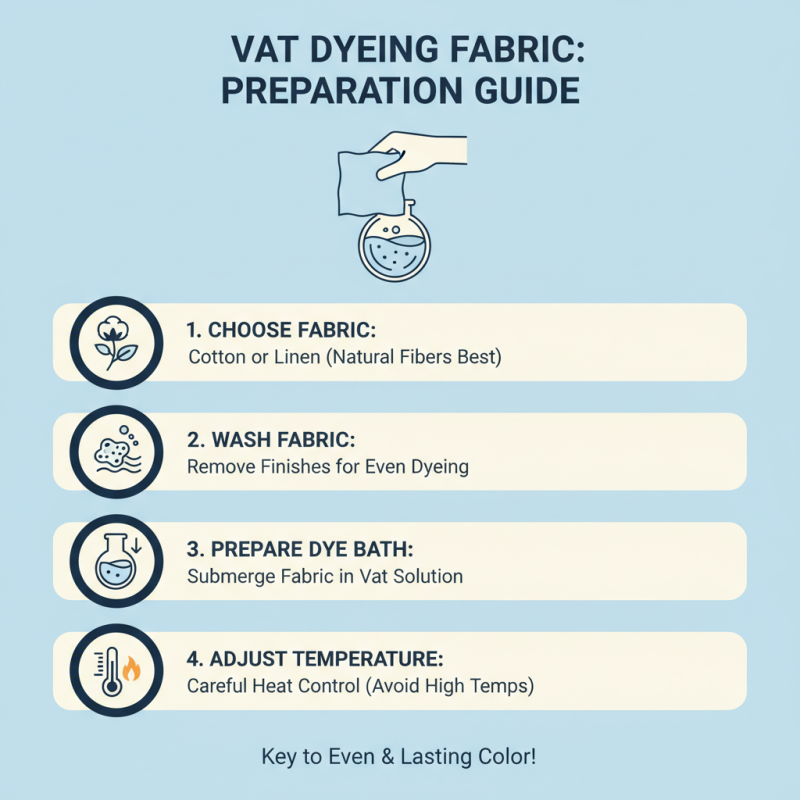
When dyeing fabric with vat dyes, preparation is key. Start by choosing the right fabric, preferably cotton or linen. Wash the fabric to remove any finishes. This ensures the dye penetrates evenly. Soak the fabric in a vat dye solution, adjusting the water temperature carefully. High temperatures can alter the dye’s effectiveness.
Dip the fabric into the dye. Allow it to soak until desired color is achieved. This could take time. Be patient; rushing may lead to uneven color. Once dyed, rinse the fabric under cold water. This step is crucial for removing excess dye. If the color seems dull, consider repeating the process.
Observe the results as they dry. You might notice variations in color that were unexpected. Reflect on these outcomes. Consistency is challenging with vat dyes. Each batch can yield different results. Document your process to improve future dyeing. Note the dye concentration and soaking time for better precision next time.
Post-Dyeing Care: How to Maintain Color and Fabric Integrity
Post-dyeing care is essential for maintaining the vibrancy of vat-dyed fabrics. The first step involves washing. Use cool water and a mild detergent. Hot water can cause colors to bleed or fade. Always check the fabric's dye stability before soaking it fully. Some colors may run more than others, so you might need to hand wash.
Avoid direct sunlight when drying your dyed fabric. Sunlight can fade vibrant colors quickly. Instead, opt for shade to let the fabric air dry naturally. Ironing can also affect dyes. Always use a low temperature setting. A protective cloth between the iron and fabric can prevent damage.
Tips:
- Store dyed fabrics in a dark, cool place. This helps preserve color integrity.
- Wash dyed items separately, especially in the first few washes.
- Test a small area with your chosen detergent before a full wash.
Some colors may surprise you by fading unexpectedly. It's crucial to document your dyeing process and results. This can help you replicate or improve on your technique in the future. Reflecting on dye outcomes can lead to better practices.
2026 How to Use Vat Dyes for Perfect Fabric Dyeing Results? - Post-Dyeing Care: How to Maintain Color and Fabric Integrity
| Dye Type |
Ideal Fabric |
Application Method |
Post-Dyeing Care |
Color Fastness |
| Vat Blue 1 |
Cotton, Linen |
Dyeing bath |
Wash in cold water, avoid direct sunlight |
Excellent |
| Vat Yellow 4 |
Silk, Wool |
Hand dyeing |
Mild detergent wash, store in dark |
Good |
| Vat Red 1 |
Cotton, Rayon |
Jacquard dyeing |
Rinse thoroughly, gentle cycle dry |
Very Good |
| Vat Green 1 |
Cotton, Polyester blends |
Spray dyeing |
Avoid bleach, cold water wash |
Excellent |
| Vat Black 1 |
Cotton, Synthetic |
Dyeing bath |
Gentle wash, avoid fabric softeners |
Good |